CNC Machined Heat Sinks: Aluminium Geometries, Fin Design & Tolerances
A heat sink is the rare part where the machining is the performance. The fins move the air, the base moves the heat into the fins, and both are decided by how the block is cut — not by the model on screen. Here is how to brief a machined heat sink: material, fin spacing, base flatness and the anodize trap, so it cools as designed instead of chattering, warping or losing its thermal bond. For the wider process picture, see our CNC milling service.
Why Machine a Heat Sink Instead of Extruding It
For high volumes of a straight-fin, constant-cross-section sink, extrusion is cheaper and faster — there is a die and then a long run. But extrusion is locked to one cross-section and cannot make complex bases, pockets, embedded features or omnidirectional pin fins. CNC machining from a solid block handles all of those, plus it is the right tool for prototypes and low-to-mid volumes where a die is not justified. If you are weighing processes for a new part, our process comparison logic applies just as well to extrusion versus machining.
What to Machine the Sink From
For a heat sink the material choice is mostly about conductivity, weight and cost — not strength.
| If the sink must… | Start with | Watch out for |
|---|---|---|
| Be light, cheap, look good | Aluminium 6061 / 6063 | Anodize adds microns to the base — mask it |
| Move the most heat per gram | Copper C110 | ~3× the weight and cost of aluminium |
| Sit in a sealed enclosure | Aluminium, bare or anodized | Corrosion resistance is plenty for indoor |
| Carry a heat pipe or vapour chamber | Aluminium base + bored pocket | Flat bottom in the pocket for the pipe |
| Insulate or be non-conductive | PEEK / aluminium hybrid | No — plastics do not sink heat |
Aluminium is the default for a reason — it machines fast, anodizes cleanly, and is light enough that fin mass is rarely a weight problem. The grade choice and finishing detail are in our aluminium CNC guide; the full family comparison is in the materials overview.
Fin Geometry and the Spacing That Actually Cools
The fins are where the heat leaves, but only if air can get between them and the cutter can leave a clean wall. The common geometries:
| Fin type | Best for | Machine note |
|---|---|---|
| Straight parallel fins | Directional forced airflow | Easiest to mill; keep gap ≥1.5–2.0 mm |
| Pin / staggered fins | Omnidirectional, natural convection | More tool travel; tougher chip clearance |
| Cross-cut / louvred | Mixed airflow directions | Two passes; watch for burrs at crossings |
The single most common machined-sink failure is fins that are too fine: the cutter chatters, chips jam, and the walls wander. A sensible gap and moderate fin height beat aggressive, fragile fins that machine badly. The cost and design logic is in our cost-reduction guide and the design guide.
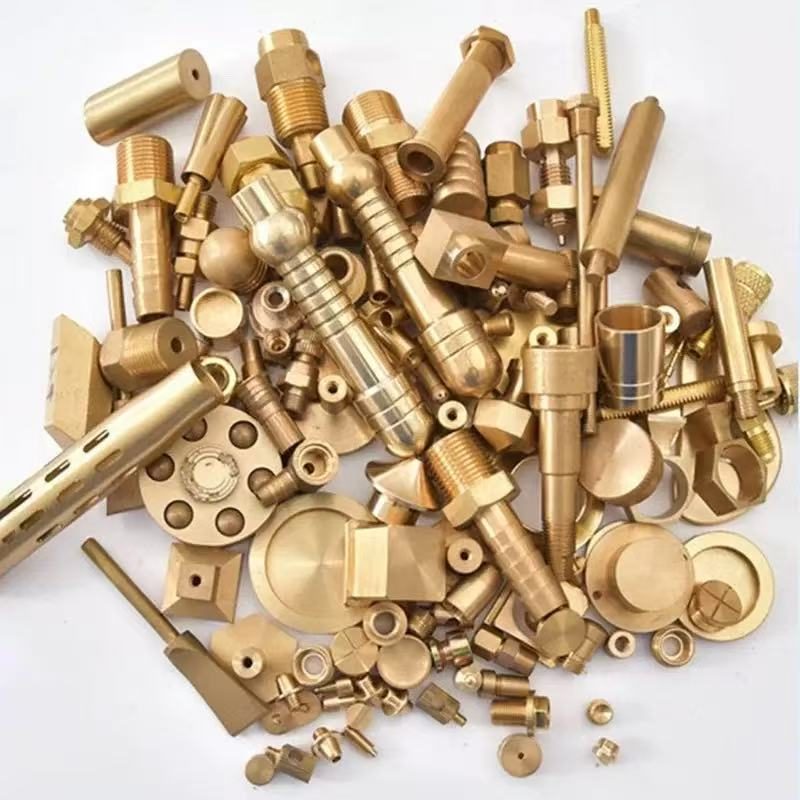
Type II clear and colour anodize for sinks.
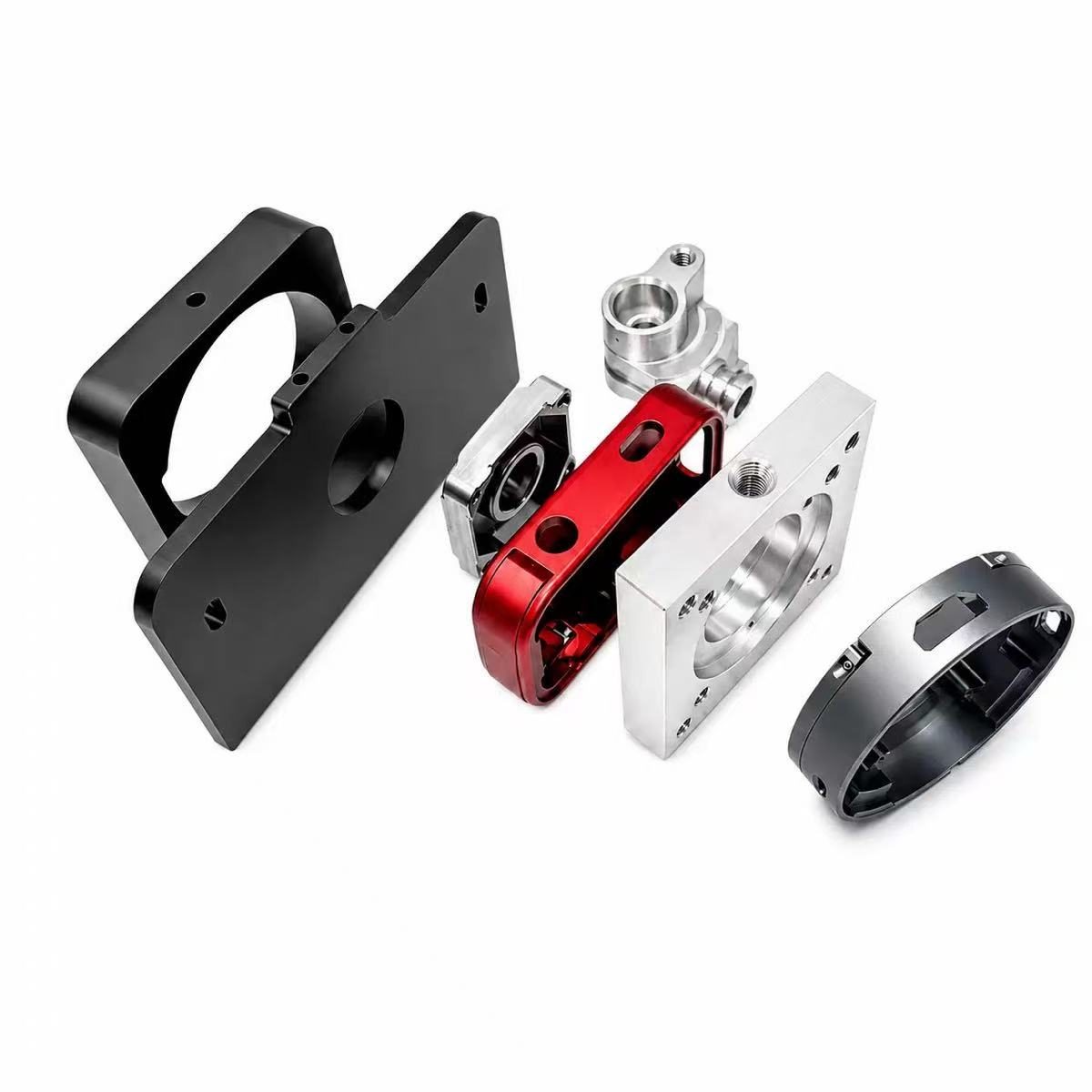
Bases, plates and finned bodies in 6061.
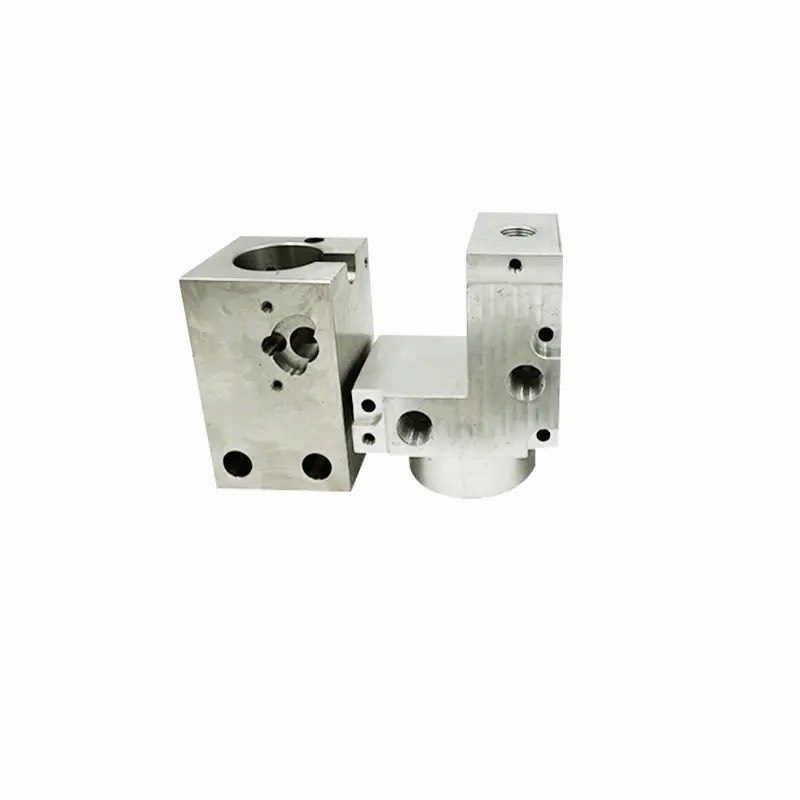
Flat base + features in one clamping.
The Tolerances That Actually Matter on a Sink
Spend tight tolerance on the base that meets the device. Spend it everywhere else and you pay for a sink you do not need.
| Feature | Hold it to | Why |
|---|---|---|
| Base mating face flatness | 0.05 mm over the base | The TIM only works where it contacts |
| Mounting hole pattern | ±0.05 mm | Device drops onto the posts |
| Threaded insert location | ±0.1 mm | Aligns with the device holes |
| Fin height consistency | ±0.1 mm | Even airflow, even look |
| External envelope | ISO 2768-m | General tolerance is enough |
The full numeric tables and the tolerance-cost curve are in the CNC tolerance chart; the coating thickness and how it changes a fit are in the surface finish comparison.
Five DFM Calls That Keep a Heat Sink From Chattering or Warping
1. Pick machining for the right volume band
Machining wins for prototypes, validation and low-to-mid volume; extrusion wins once the design freezes and volume climbs. Brief the sink for machining while it is still moving, and we will flag the crossover point honestly rather than machining a sink that should be extruded. The volume logic is in our low-volume production page.
2. Keep the fin gap at 1.5–2.0 mm minimum
Below that the cutter chatters and chips do not clear, and you get burred, wandering fin walls that look bad and block airflow. A moderate gap with a sensible fin height moves more real heat than fragile, aggressive fins that machine poorly. If the thermal budget truly needs fine fins, that is the signal the part belongs to extrusion.
3. Machine the base in one setup
The base is the thermal path to the device, and flatness is everything. We machine the base and its features in a single clamping so the mating face and the hole pattern stay true to each other, then probe the face so you get a measured flatness, not a hope. The surface-finish rules are in the finish comparison.
4. Hold enough base thickness
A thin base warps as it is relieved and spreads heat poorly. Keep enough stock under the fins to stay flat and to conduct across the footprint; a few extra millimetres of base beat taller, fragile fins for most designs. The design logic is in the design guide.
5. Decide anodize before machining the base
Anodize adds a few microns, and on a base that is the difference between a clean TIM bond and a gapped one. Either machine the base last and mask it before anodizing, or machine it after the coating. Tell us the bond face must stay bare and we will mask it — which is how a flat you measured is the flat you mount against. For early-stage work our prototyping page covers the ramp from one sink to a batch.
Heat Sink Machining Questions
When should a heat sink be CNC machined instead of extruded?
Aluminium or copper for a machined heat sink?
How fine can the fins be on a machined heat sink?
Does anodizing change the base flatness of a heat sink?
Got a heat sink that chatters, warps or loses its thermal bond?
Send the drawing with the base flatness and anodize call-out. We'll return DFM feedback in 24 hours and machine the base in one setup — flat mating face, clean fin walls, bond face masked on request.