Precision CNC Turning Service
High-precision CNC turning for shafts, bushings, threaded fasteners, and rotationally symmetric parts — from prototypes to monthly production for OEM programs.
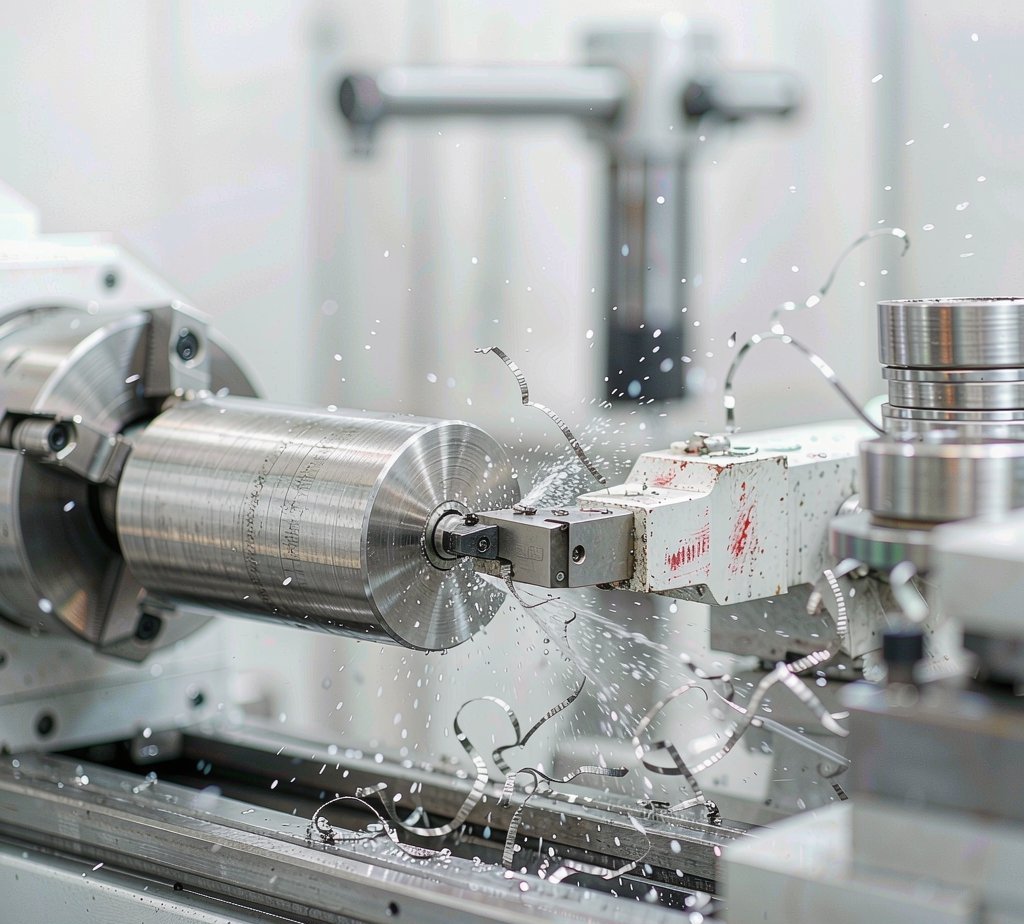
What Is CNC Turning?
CNC turning (lathe machining) is a subtractive process where the workpiece rotates at high speed while a stationary cutting tool removes material along its axis. It is the most efficient way to produce cylindrical or rotationally symmetric parts: shafts, bushings, threaded fasteners, flanges, and turned housings.
Our turning cell includes 2-axis lathes for simple shafts, live-tooling lathes for off-center features, and multi-axis mill-turn centers that combine turning and milling in one setup — eliminating secondary operations and improving concentricity for complex parts. For very small, long or high-volume turned parts — pins, spacers, connectors — a Swiss-type (sliding-headstock) lathe is usually the more accurate and cheaper route; our Swiss machining vs CNC turning guide explains when.
Turning Capabilities at a Glance
| Capability | Specification | Notes |
|---|---|---|
| Machine types | 2-axis lathes, live-tooling, mill-turn | Up to 8-axis mill-turn available |
| Max turning diameter | Ø 500 mm | Larger on request |
| Max turning length | 1,200 mm | Bar feeder to 65 mm diameter |
| Standard tolerance | ± 0.05 mm | Per ISO 2768-m |
| Precision tolerance | ± 0.01 mm | For critical diameters and threads |
| Thread types | Metric, UNC, UNF, BSP, NPT | Internal and external |
| Surface roughness | Ra 0.8 µm standard | Ra 0.4 µm with fine finishing |
| Production lead time | 2–4 weeks | Scheduled monthly supply available |
Materials We Turn
All common metals and engineering plastics. Our bar inventory covers aluminum, brass, copper, mild steel, stainless steel 304/316/17-4PH, and engineering plastics (POM, PEEK, PTFE). Custom alloys and certified mill batches (with traceability) on request.
Common Turned Parts We Make
- Drive shafts and motor shafts (with keyways, threads, grooves)
- Bushings, sleeves, spacers
- Threaded rods, studs, bolts, specialty fasteners
- Knurled grips, knobs, hand-adjustment components
- Pneumatic and hydraulic fittings
- Sensor housings and instrument bodies (mill-turn)
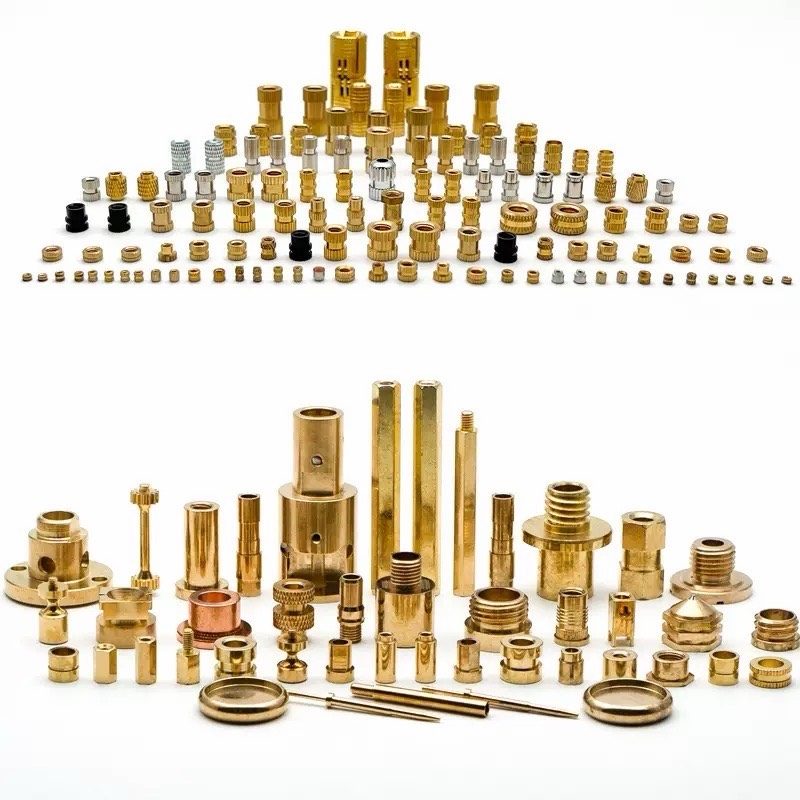
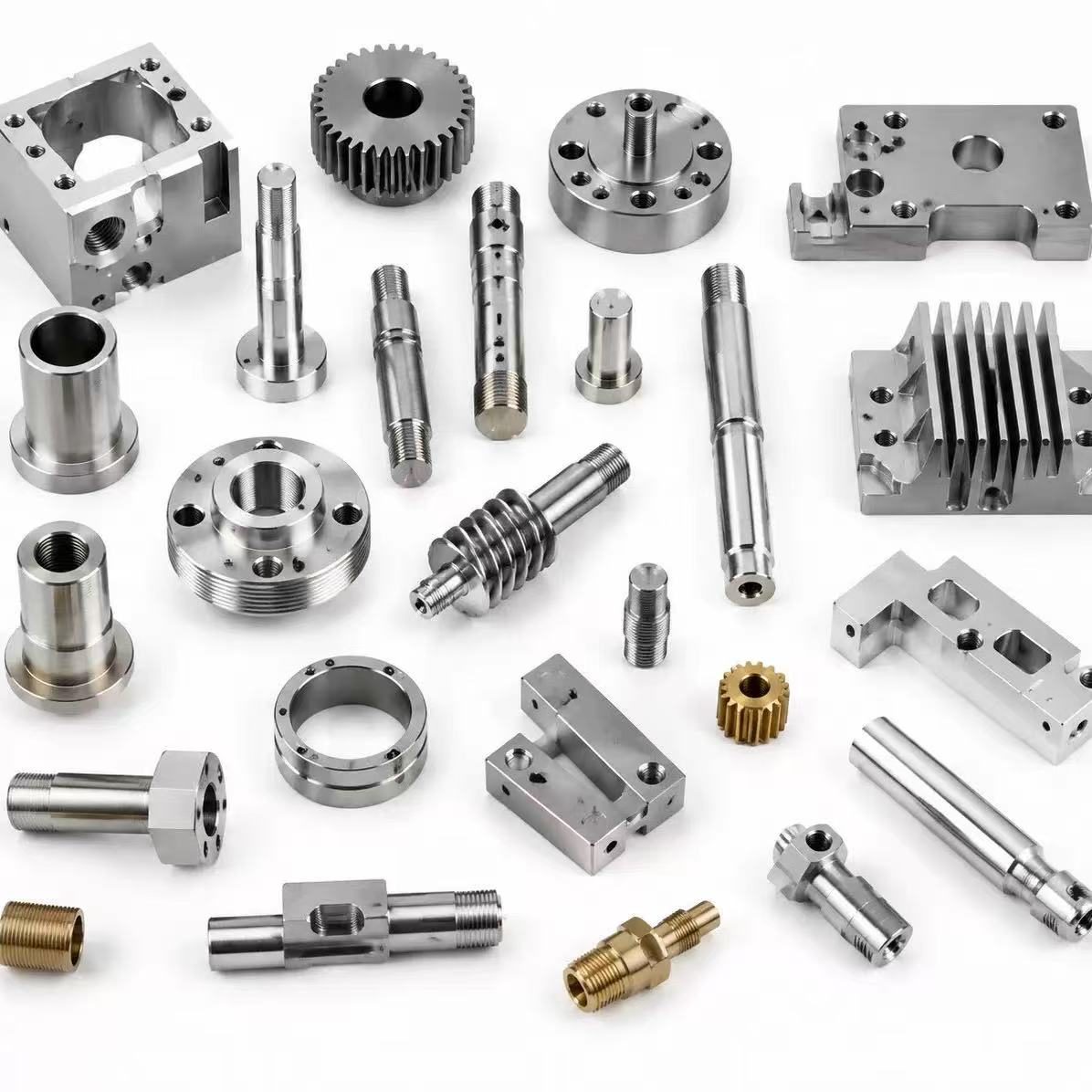
304/316 shafts, sleeves and fittings. See stainless grades.
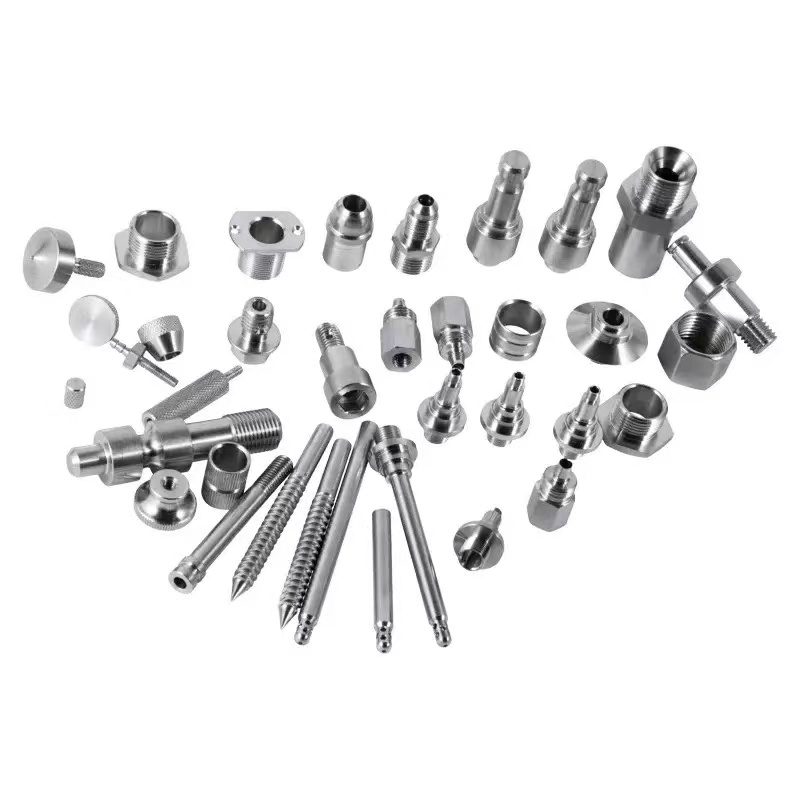
Hex nuts and standoffs turned to spec.
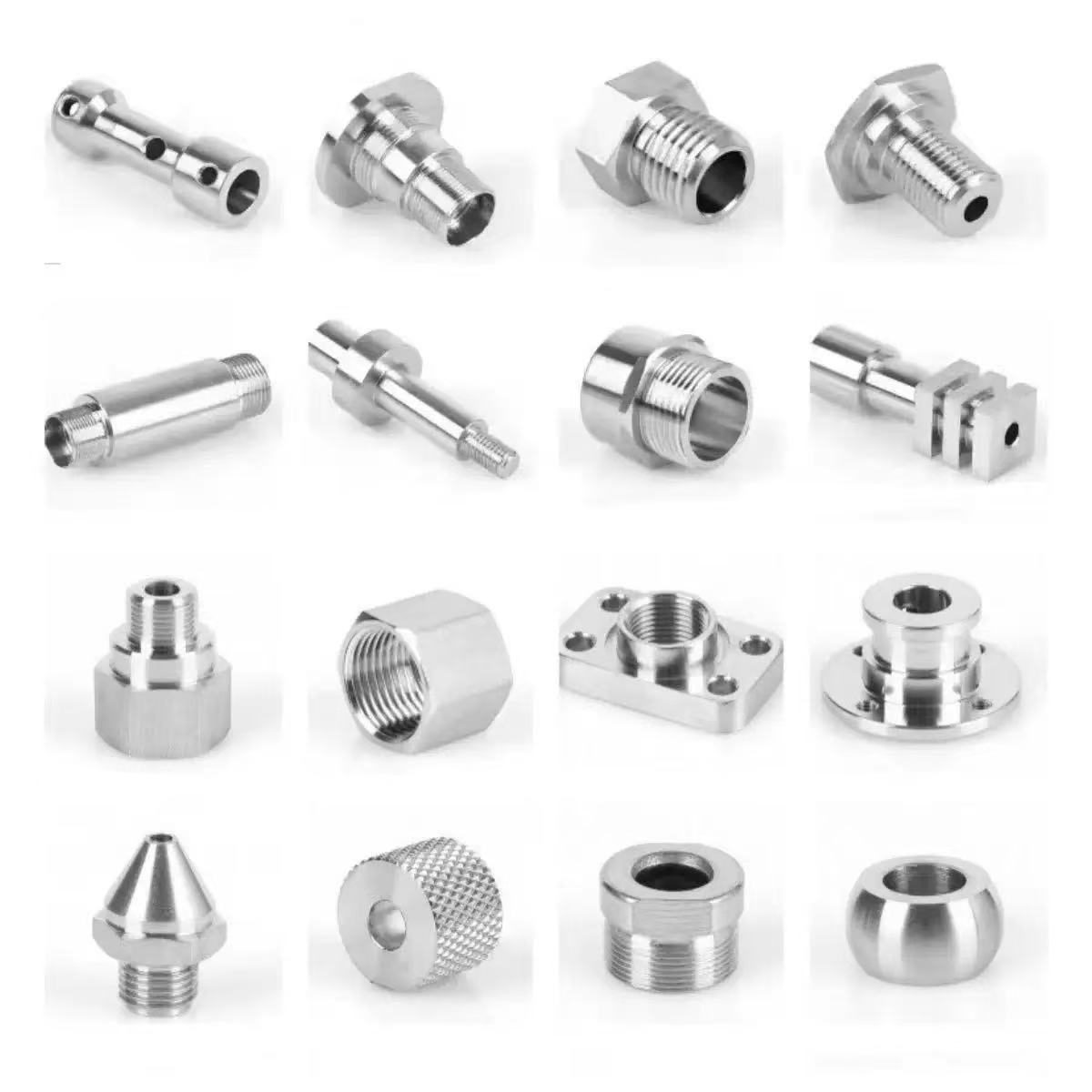
Connectors and bushings from recent runs.
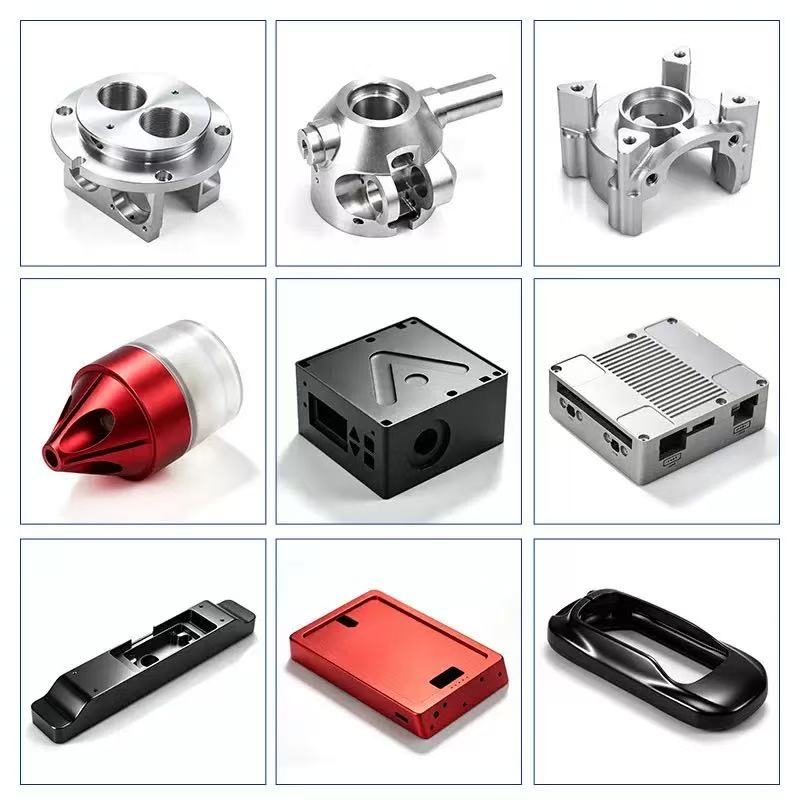
Pins, studs and fittings, single-setup lathe work.
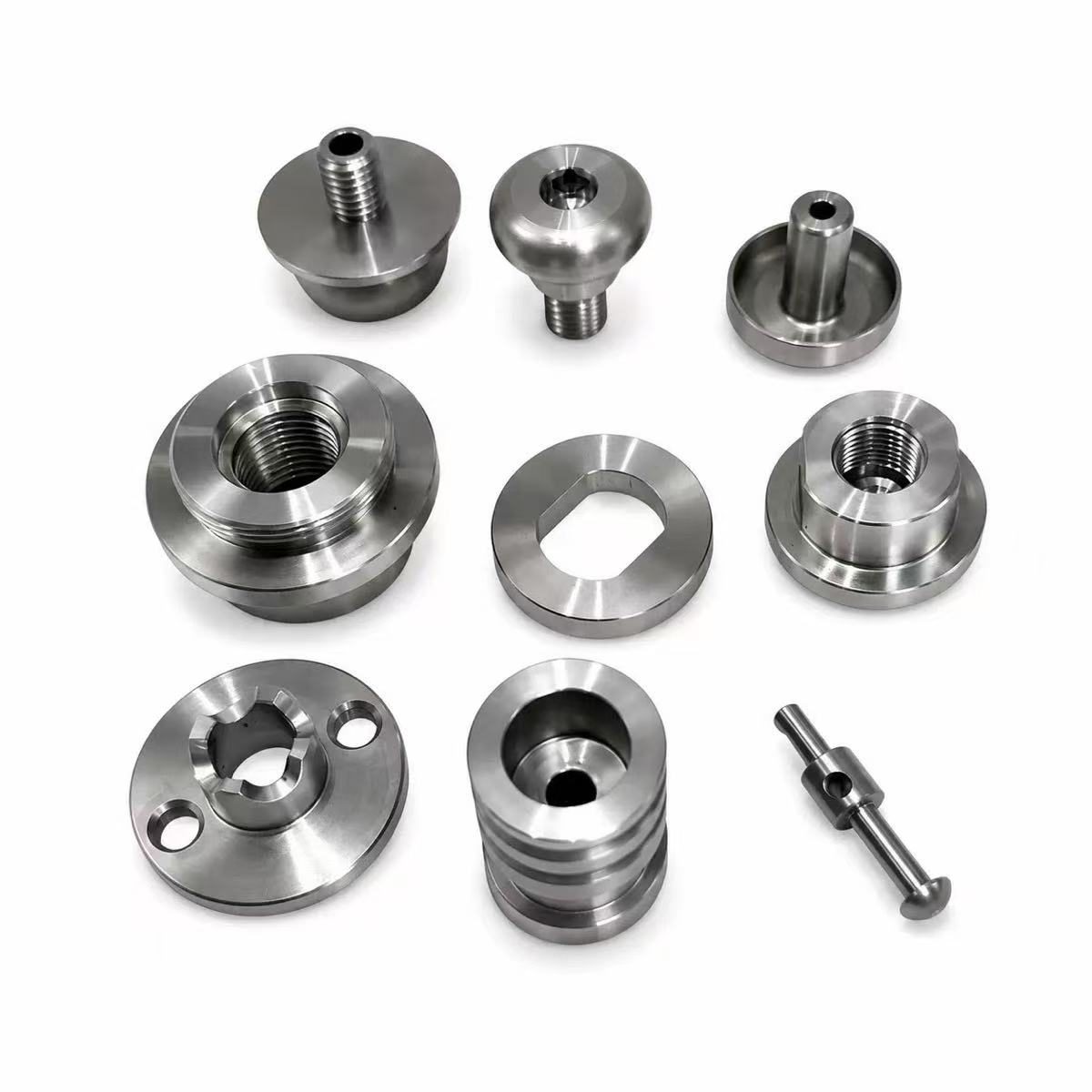
Stainless and brass knurling in one pass.
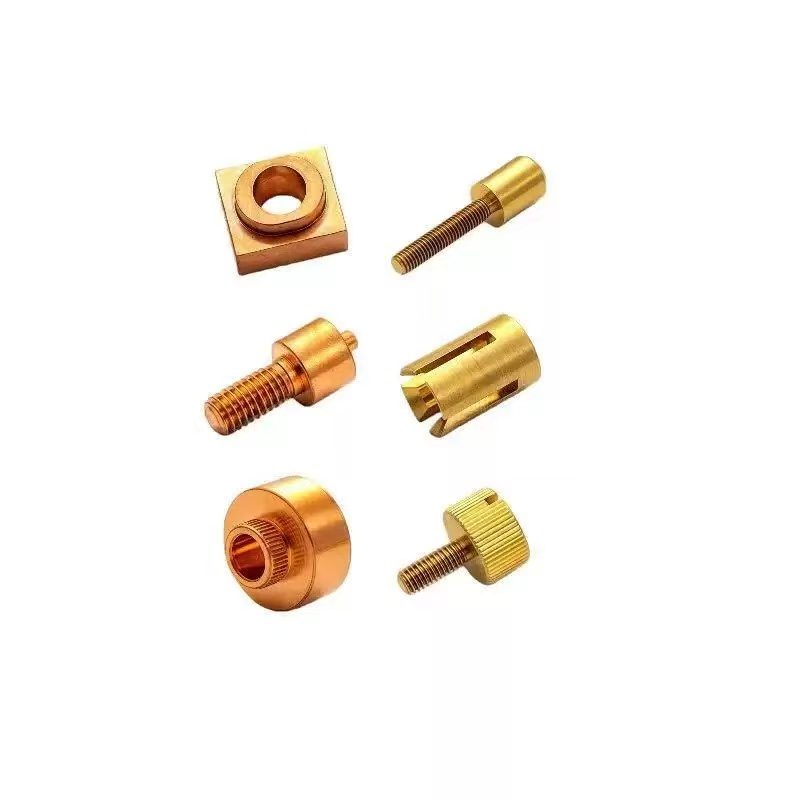
Knurled bodies and connectors in C360 brass. See our brass CNC guide.
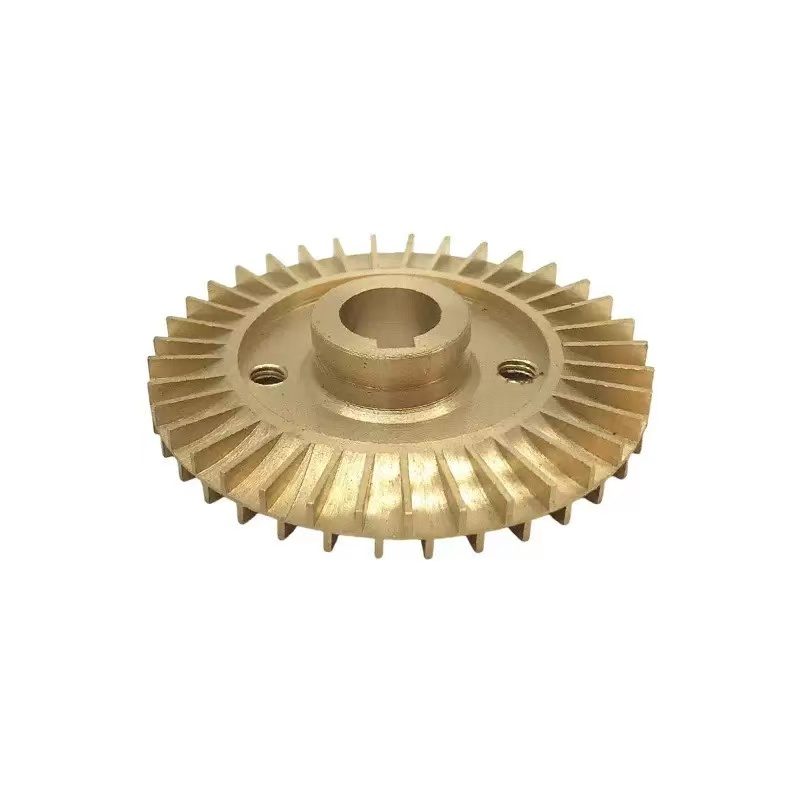
Inserts and nuts for high-volume runs.
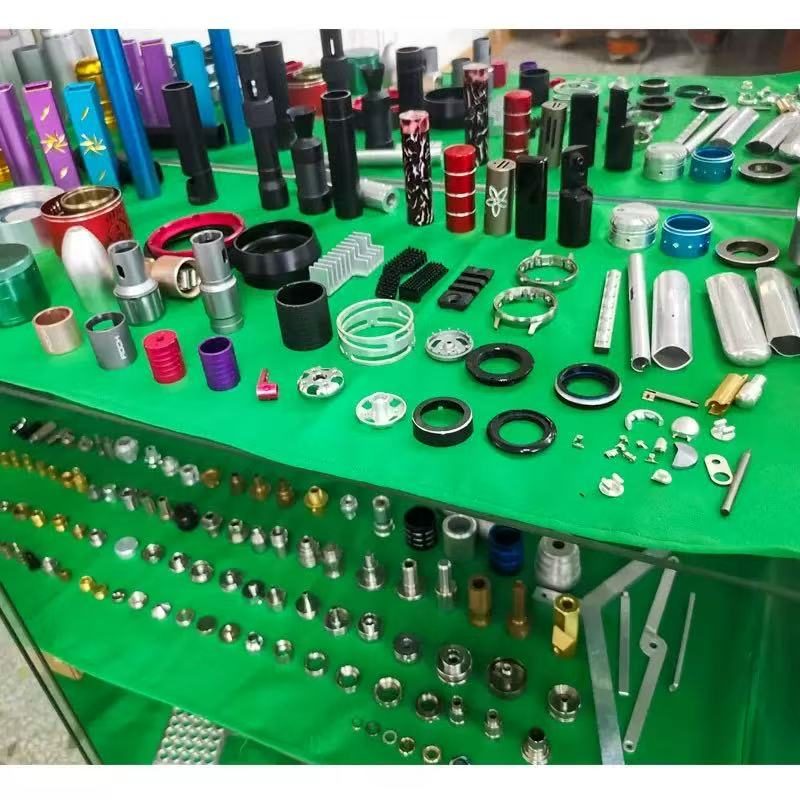
Brass, stainless and steel in one program.
The cut up close — bar stock gripped in the chuck, the insert feeding along the diameter, flood coolant carrying the chips away. Looping clip, no sound.
Frequently Asked Questions
When should I use turning vs. milling?
What tolerances can turning hold?
Can you produce long shaft parts?
Do you support small batches and prototypes?
Ready to start your project?
Send drawings — get a detailed quote within 24 hours.
Related: Brass CNC Machining