Swiss Machining vs CNC Turning: When Small Precision Parts Need a Swiss-Type Lathe
If your part is small, long, or you need a few thousand of it, a standard lathe starts to fight the part. A Swiss-type (sliding-headstock) lathe feeds the bar through a guide bushing so the stock is supported right up to the cut — no whip, no chatter, and tolerances that a conventional lathe simply cannot hold on the same geometry. Here is how to tell whether your part belongs on one, plus the DFM calls that keep Swiss runs cheap and in spec. For our general turning capability, see the CNC turning service overview.
What Makes a Swiss Lathe Different
On a conventional lathe the bar is clamped at one end in a chuck and the cutting tool reaches out toward the free end. The longer and thinner the part, the more the stock flexes and chatters as it is cut — which is why long pins and thin shafts drift out of round. A Swiss-type (sliding-headstock) lathe does the opposite: the bar is pushed through a guide bushing that sits a few millimetres from the tool. The material is supported right up to the cut, so there is almost nothing to deflect. The headstock itself slides (the "swiss" motion) to feed stock past the bushings while the tools work the exposed length.
The practical result: parts that are long relative to their diameter — and parts that are just plain small — come off a Swiss lathe rounder, straighter and to a tighter number than any conventional lathe will manage on the same drawing. The trade is setup complexity and a smaller maximum diameter (generally up to about 32 mm / 1.25 in), which is exactly why Swiss machines are the default for medical, dental, connector, watch and instrument work. Most Swiss lathes today are CNC and carry live tooling and a second spindle, so a part can be turned, cross-drilled, milled and parted off in one cycle.
Swiss Machining vs Conventional CNC Turning
They are the same family of process. The difference is what the machine will tolerate before the part fights back.
| Factor | Conventional CNC turning | Swiss-type (sliding-headstock) |
|---|---|---|
| Material support | Clamped at chuck; free end can flex | Guided right up to the tool — no whip |
| Best part shape | Short, stubby, larger diameters | Long, thin, small-diameter turned parts |
| Typical max diameter | Up to 500 mm on our lathes | Up to ~32 mm |
| Tolerance on small dia | ±0.01 mm on critical features | ±0.005 mm routinely |
| Surface finish on long sections | Chatter risk on slender parts | Clean, consistent on long sections |
| Sweet spot | One-offs to large batches, any size | High-volume small & long parts |
What Parts Belong on a Swiss Lathe
The rule of thumb is simple: if the part is longer than about 3–4× its diameter, or its largest dimension is under ~32 mm and you need it by the thousand, Swiss is worth a look. Common examples from our floor:
| Part family | Why Swiss wins | Typical material |
|---|---|---|
| Medical / dental pins, bone screws, implants | Long, slender, biocompatible, tight tolerance | 316L, Ti-6Al-4V, 303 |
| Connector & contact pins, terminals | High volume, small dia, clean cut-off | Brass C360, 303 |
| Shafts, spindles, arbors | Length-to-dia ratio high; stay round | 17-4PH, 303, 6061 |
| Bushings, spacers, sleeves | Thin walls, concentric ID/OD | Brass, 6061, PEEK |
| Watch & instrument components | Miniature features, repeatability | 303, brass, aluminium |
For parts that are not small or long, our standard CNC turning and 5-axis machining cells are usually the faster and cheaper route. The point of Swiss is not that it is "better" — it is that it is the right tool for a specific slice of geometry.
The Tolerances Swiss Actually Buys You
The guide bushing is what makes the numbers below real on a slender part. On a conventional lathe the same drawing would wander.
| Feature | Hold it to | Why Swiss helps |
|---|---|---|
| Small turned diameter | ±0.005 mm | Stock supported to the tool, no deflection |
| Critical features | ±0.01 mm | Consistent across long batches |
| Straightness of long sections | Within tolerance without straightening | No whip during the cut |
| Surface finish | Ra 0.4 µm achievable | Stable cut, no chatter marks |
| Everything else | ISO 2768-m | General tolerance is enough |
For the full numeric tables and the tolerance-cost curve, see the CNC tolerance chart; for the GD&T symbols that change price, our GD&T guide for buyers covers the ones that actually matter.
Materials Quick-Pick
Swiss lathes run the same metals and plastics as the rest of the shop, just smaller. Free-machining brass (C360) is the easiest and fastest — high-speed, long tool life, clean chips. 303 stainless is the workhorse for medical and corrosion-resisting pins. 316L and 17-4PH step in where biocompatibility or strength matters. 6061/7075 aluminium for light, non-magnetic parts, and PEEK / POM for insulators and wear surfaces. The full rundown, including grades and finishes, is in our materials overview.
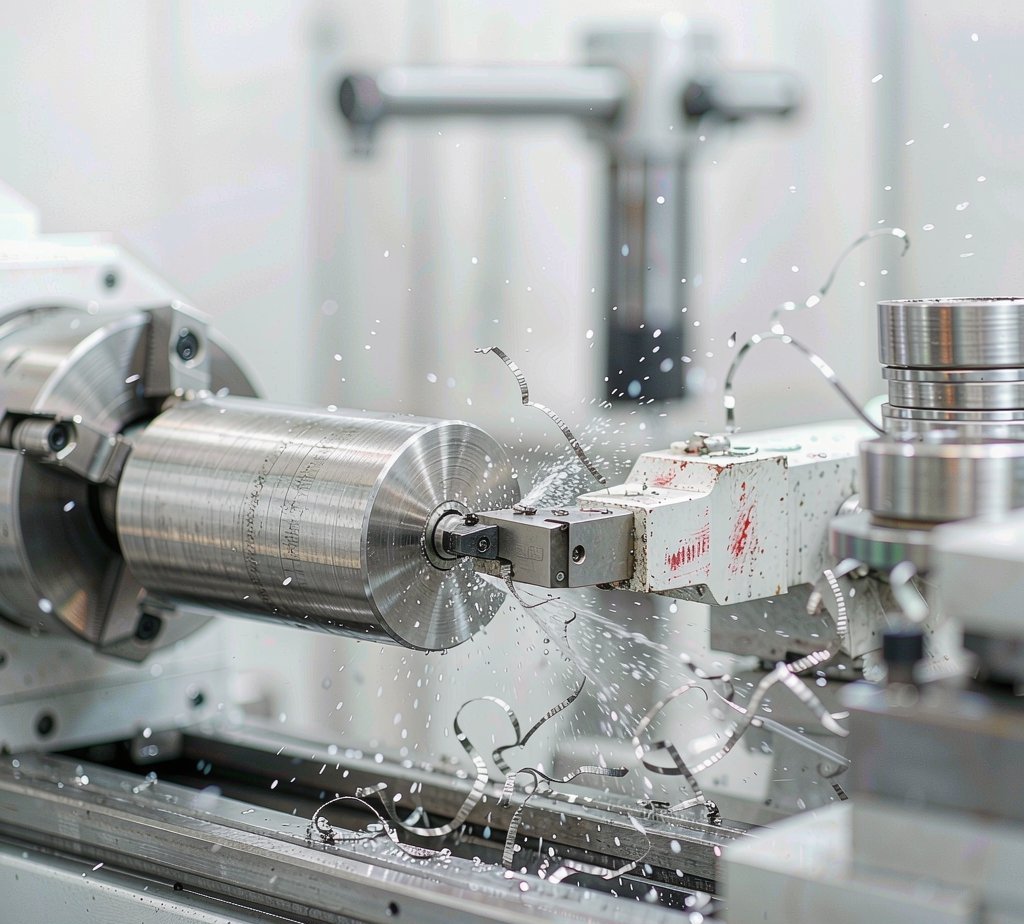
Small and long parts on Swiss and standard lathes.
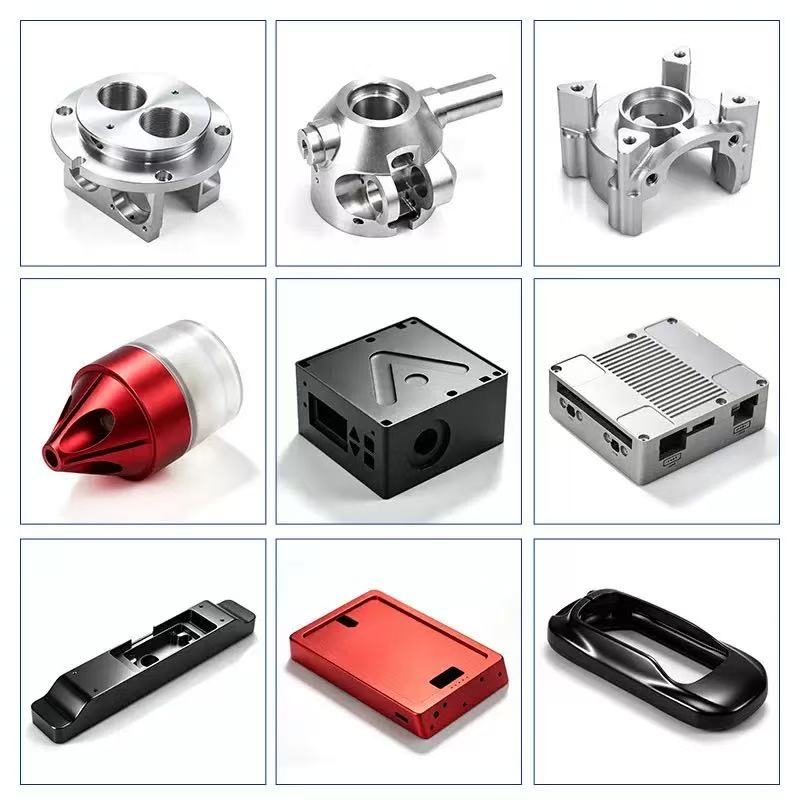
303/316 long thin parts that stay round on a Swiss lathe.
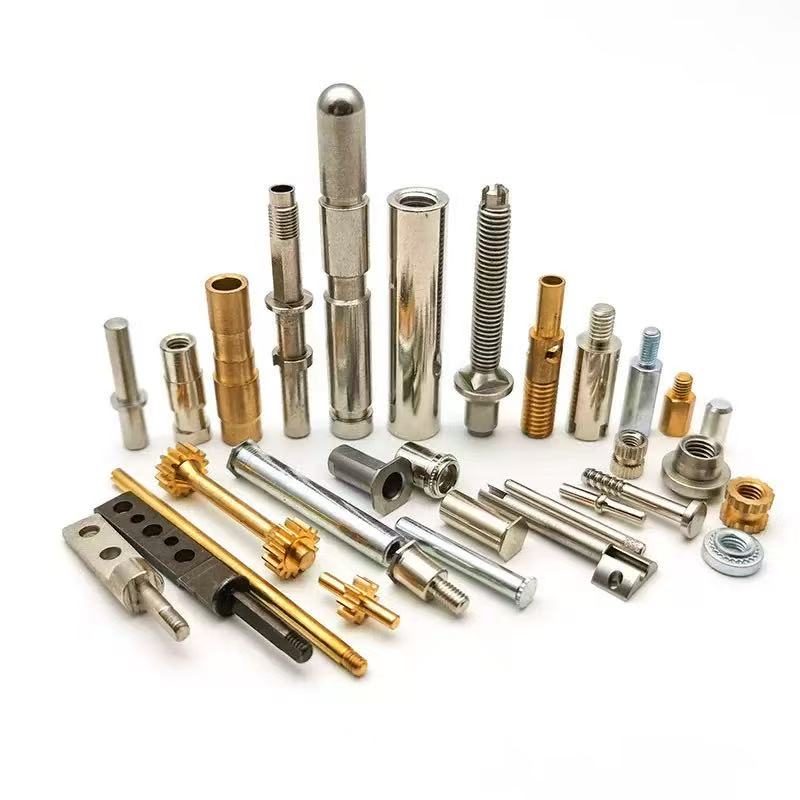
Connector pins and inserts in C360 brass, high volume.
Five DFM Calls That Keep Swiss Parts Cheap
1. Hold tight tolerance only where the function needs it
The Swiss lathe can hold ±0.005 mm, but asking for it everywhere costs inspection time and scrap. Call ISO 2768-m generally and reserve the tight number for the bearing surface or the locating diameter. See the tolerance chart for where the curve bends.
2. Standardize diameters to stock bar sizes
Swiss runs live and die on bar feed. If your OD matches a standard stock diameter, there is no skim-turn and no waste. A slightly non-standard OD can mean a whole extra pass and offcut. Pick from common stock and the cycle drops.
3. Keep slots and cross-holes short relative to diameter
Deep, narrow cross-holes and slots are the features that fight a sliding-headstock machine — they are cut with a stationary tool against rotating stock and tend to walk. Keep them shallow or accept a slightly looser tolerance there.
4. Spec the cut-off and back-turn
Most Swiss parts are finished on the second spindle (back-turn) and parted off in the same cycle. Tell us which features must be on the back side (threads, chamfers, cross-holes near the end) so we program the transfer correctly the first time. Our design guide covers the features that move a quote.
5. Send the drawing before the batch is booked
The part is usually easy; the loop is the bottleneck. A clean drawing with the critical diameter called out lets us return DFM feedback in 24 hours and run the bar-feed setup once, which is how a 5,000-piece order ships inside the window instead of missing it. For lower quantities or early-stage work, our low-volume production page explains how we ramp without changing fixtures.
Swiss Machining Questions
Is Swiss machining the same as CNC turning?
What tolerance can Swiss machining hold?
Which materials run well on a Swiss lathe?
When is Swiss machining not worth it?
Got a long, thin or high-volume turned part?
Send the drawing with the critical diameter called out. We'll tell you whether it belongs on a Swiss lathe, return DFM feedback in 24 hours, and quote the run — tight tolerance only where the part actually feels it.
Related industries: CNC Machining for Automotive · CNC Machining for Aerospace