CNC Machining Materials
The full range of engineering materials for your OEM program — with grades, applications, finishes, and machining notes for each.
Surface finish? See our Ra roughness chart for achievable values and cost by finish level.
Machining titanium? See our titanium machining guide for speeds, tooling and the fire precautions.
Choosing a material? See our side-by-side aluminium vs stainless steel vs titanium comparison for specific strength, machinability and real cost ratios.
Materials We Machine
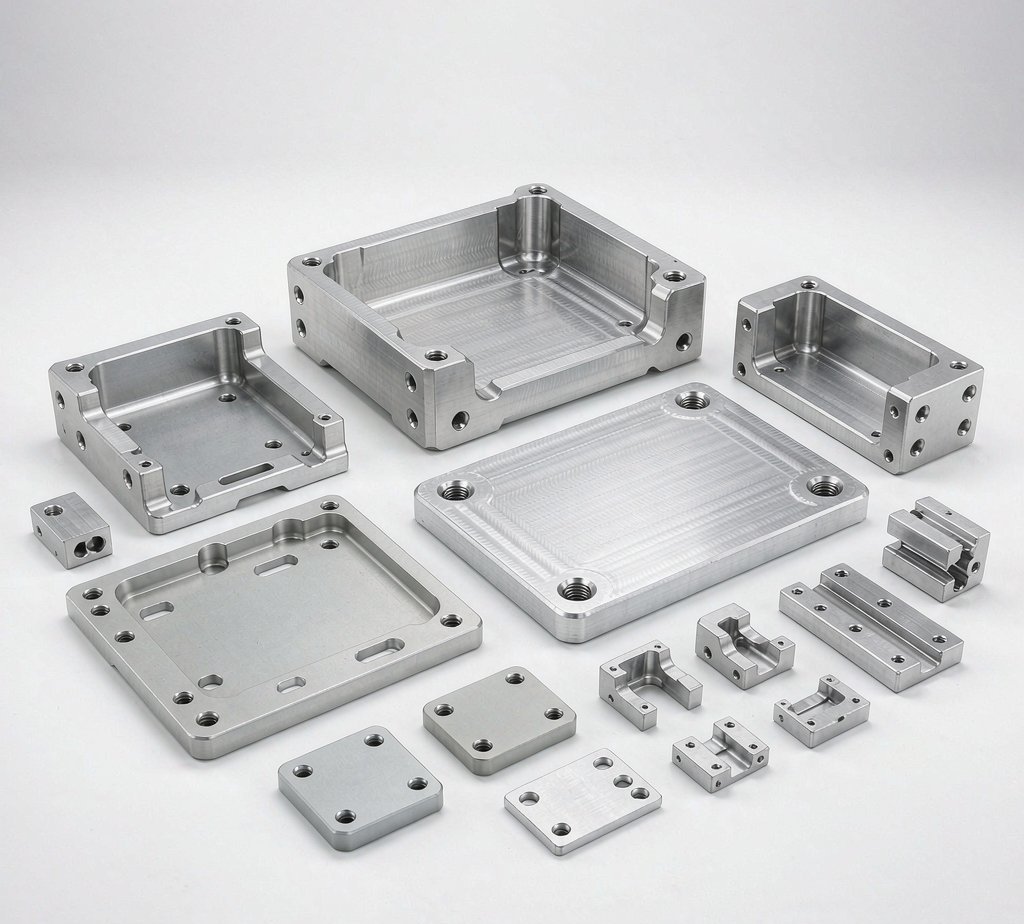
We work with the full range of engineering materials used in OEM products: aluminum, stainless steel, carbon and alloy steels, brass, copper, titanium, and engineering plastics. Below are our most common grades with typical applications, finish options, and machining notes. For a focused guide on machining aluminum parts — grades, tolerance and anodizing — see our aluminum CNC machining guide. These same alloys feed the parts we machine across our industries — from automotive EV housings to aerospace brackets and satellite hardware.
Aluminum
Aluminum 6061 / 6063 / 7075 / 2024
The default choice for lightweight structural parts, housings, brackets and enclosures. Excellent machinability, good corrosion resistance, and accepts a wide range of finishes.
Common grades and uses
- 6061-T6 — General purpose, structural, housings, brackets.
- 7075-T6 — High strength, aerospace and robotics load-bearing parts.
- 2024 — Aerospace structures, fatigue-resistant parts.
- 6063 — Architectural and decorative extrusions, light structural.
Available finishes
Type II anodize (clear / black / colors), Type III hardcoat anodize, chem film (chromate), powder coat, bead blast, brushed / polished, laser marking.
Stainless Steel
Stainless 304 / 316 / 17-4PH / 420 / 303
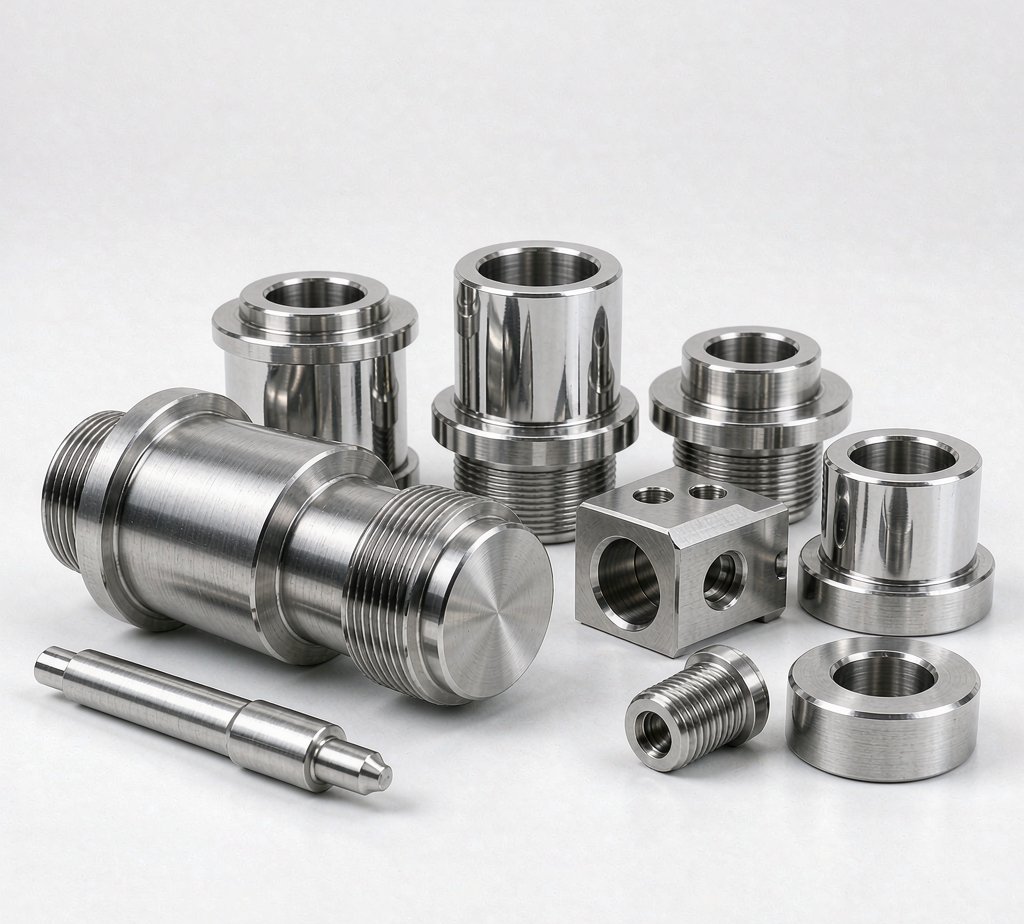
For parts requiring corrosion resistance, high strength, or medical / food-grade compliance. 17-4PH offers high strength and is often used for shafts and aerospace components.
Common grades and uses
- 304 — General purpose, food equipment, decorative.
- 316 — Marine, medical, chemical exposure.
- 17-4PH (H900 / H1025) — High-strength shafts, aerospace, tooling.
- 420 — Hardenable, wear-resistant cutting edges and tools.
- 303 — Free-machining, best for high-volume screw-machine parts.
Available finishes
Passivation (ASTM A967), electropolishing, mirror polish, bead blast, tumbled, brushed.
Brass & Copper
Brass C3602 / C3604 / H59 / H62 · Copper C1100 / C1220
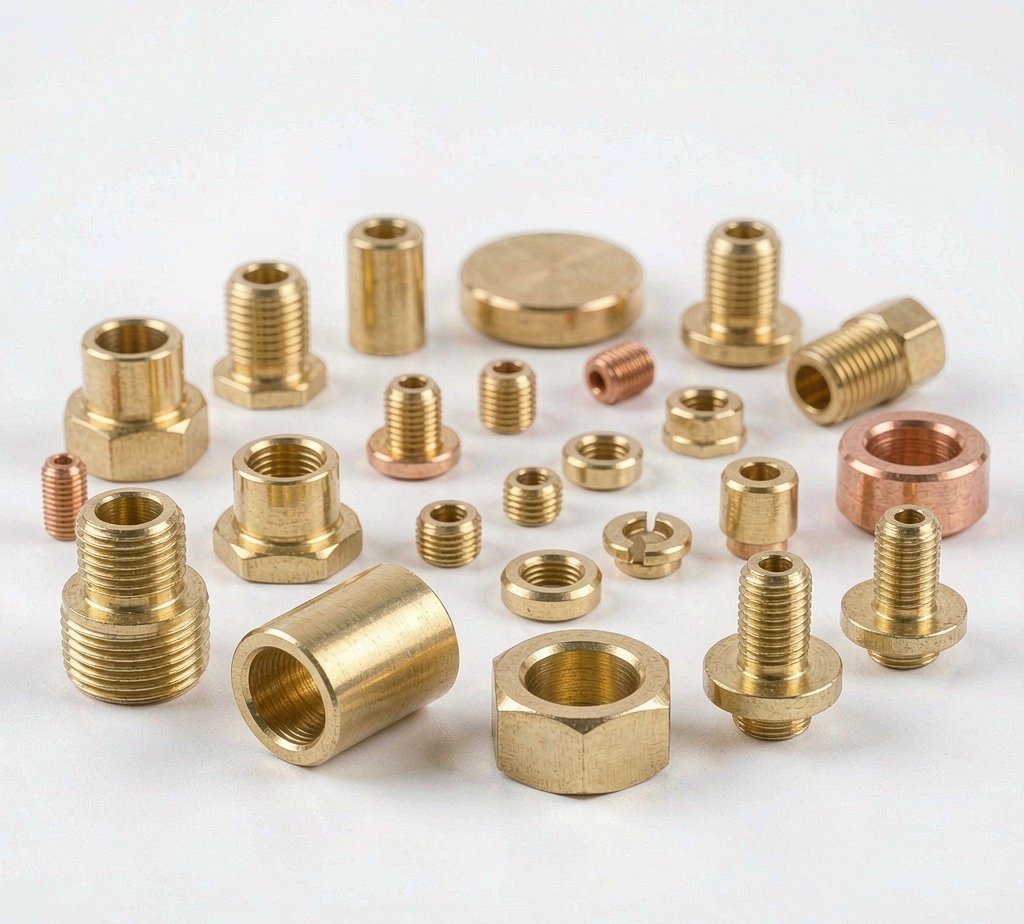
Excellent for electrical and thermal conductivity applications, decorative components, and precision instrument parts. Free-machining brass (C360) is the easiest material to machine — fast cycle times, long tool life. See our brass CNC machining guide for the grades, tolerances and finishes we run on brass parts.
Common grades and uses
- C3602 / C3604 (free-machining brass) — Connectors, fittings, instrument parts.
- H59 / H62 — Decorative, plumbing fittings, valves.
- C1100 (pure copper) — Electrical conductors, bus bars.
- C1220 (DHP copper) — Heat exchangers, plumbing.
Available finishes
Polished, satin, antique / aged patina, tin plating, nickel plating, gold flash, clear lacquer.
Engineering Plastics
POM / PEEK / Nylon / PC / PTFE / ABS / Acrylic / UHMW
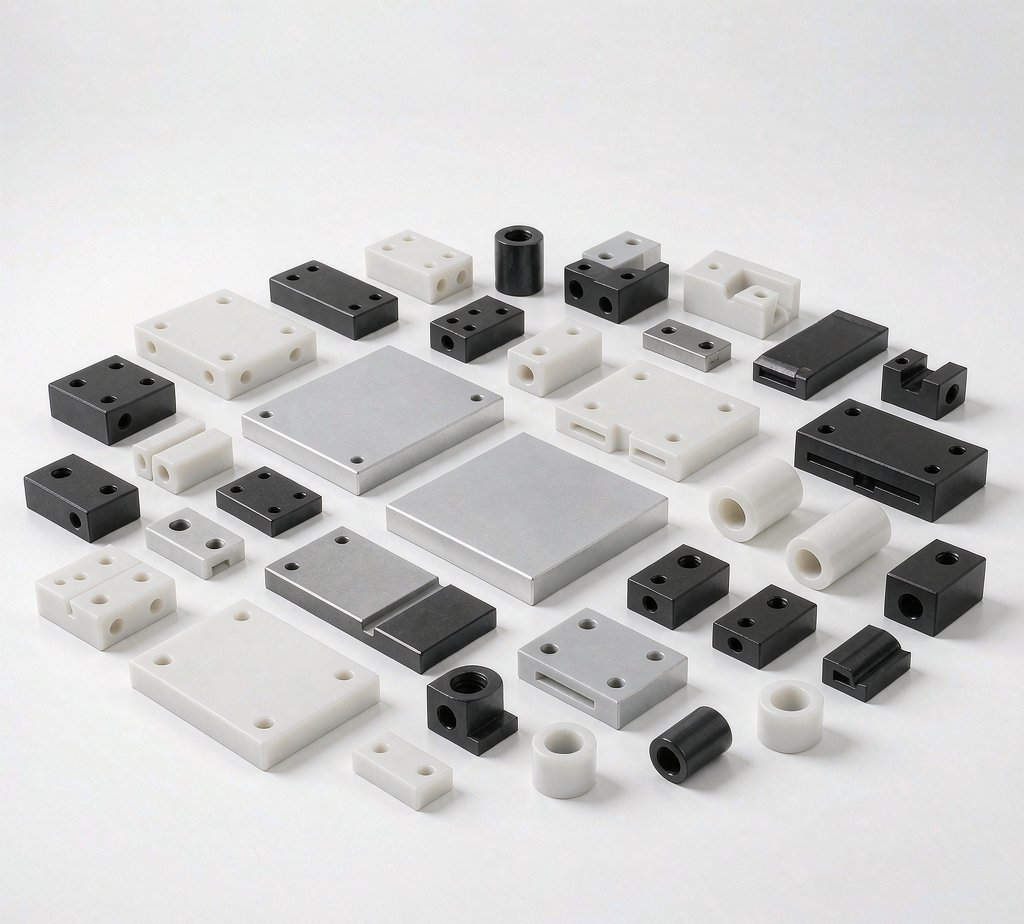
Plastics offer low weight, electrical insulation, low friction, and chemical resistance. We machine them in rod, plate and sheet form to close tolerances — ideal for prototypes and small-batch production where injection molding is uneconomical. See our plastic CNC machining guide for the grades we run and the tricks that keep them in tolerance.
Common grades and uses
- POM (Delrin / Acetal) — Gears, bearings, low-friction sliding parts.
- PEEK — High-temp (up to 260°C), aerospace, medical implants.
- Nylon (PA6 / PA66) — Wear strips, rollers, structural insulators.
- PC (Polycarbonate) — Housings, transparent covers, impact-resistant parts.
- PTFE (Teflon) — Chemical seals, gaskets, low-friction surfaces.
- ABS — Enclosures, prototypes, jig/fixture components.
- UHMW-PE — Wear strips, guides, food-grade components.
Available finishes
As-machined, bead blast, polished, painted, anti-static coating.
Material Machinability Quick-Reference
Relative machinability compared with aluminum 6061 (≈100). Higher means faster, lower-cost cutting; lower means more tool wear and longer cycle times. Tighter tolerances are achievable on rigid, temperature-controlled setups.
| Material | Machinability (6061=100) | Typical tolerance | Common use |
|---|---|---|---|
| Aluminum 6061 | 100 | ±0.02 mm | Structural, housings, brackets |
| Aluminum 7075 | 70 | ±0.02 mm | Aerospace, robotics load parts |
| Brass C360 | 200 | ±0.02 mm | Connectors, fittings, instruments |
| Stainless 304 | 45 | ±0.02 mm | Food, medical, decorative |
| Stainless 17-4PH | 35 | ±0.02 mm | High-strength, aerospace shafts |
| Titanium Ti-6Al-4V | 25 | ±0.03 mm | Aerospace, medical implants |
| PEEK | 50 | ±0.1 mm | High-temp, medical, aerospace |
Approximate values for planning only; final cycle time depends on geometry and tooling. Property data from MatWeb. Choosing a grade? See our material selection guide.
Parts We've Actually Cut Recently
Three examples from the shop floor — the kind of parts that show what each material can do when it is machined well, not catalog renderings.
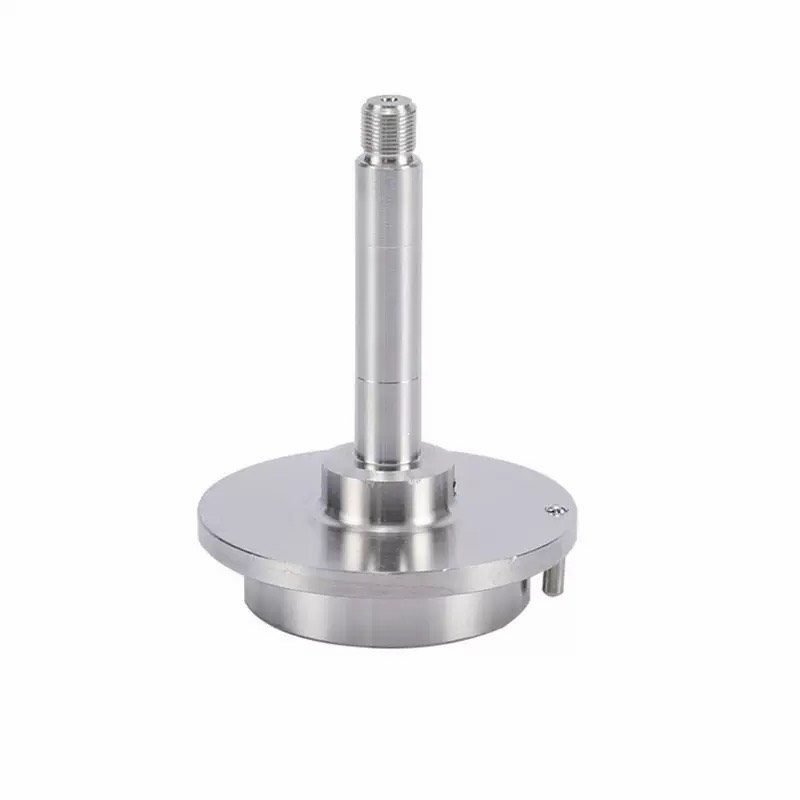
A 304/316 shaft with turned flange and milled register. See CNC turning.
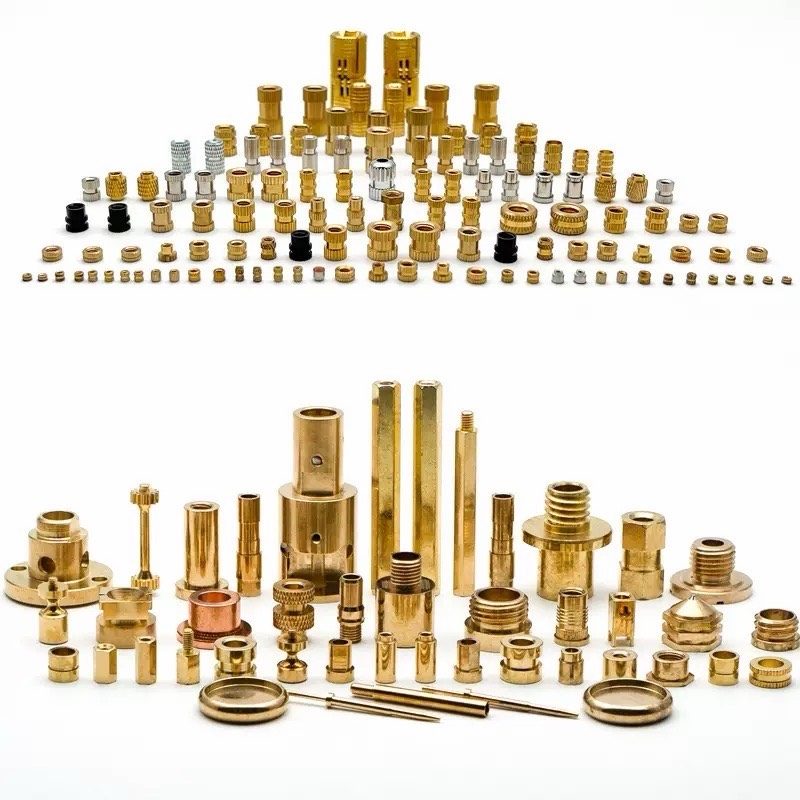
C360 free-machining brass, knurled grips, threaded fasteners. See brass & copper above.
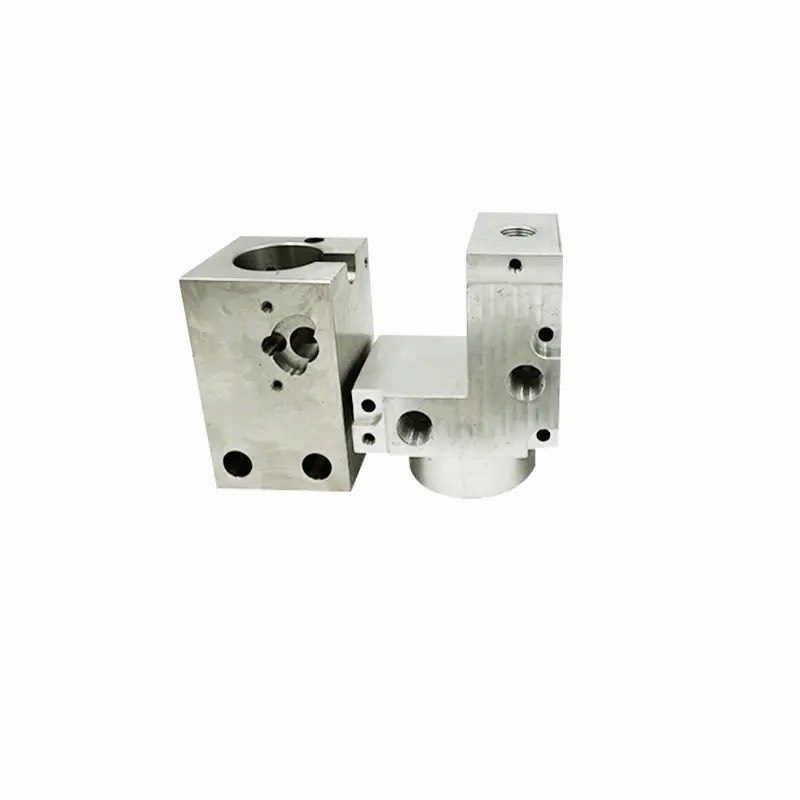
Milled, drilled and tapped housings. See aluminum CNC guide.
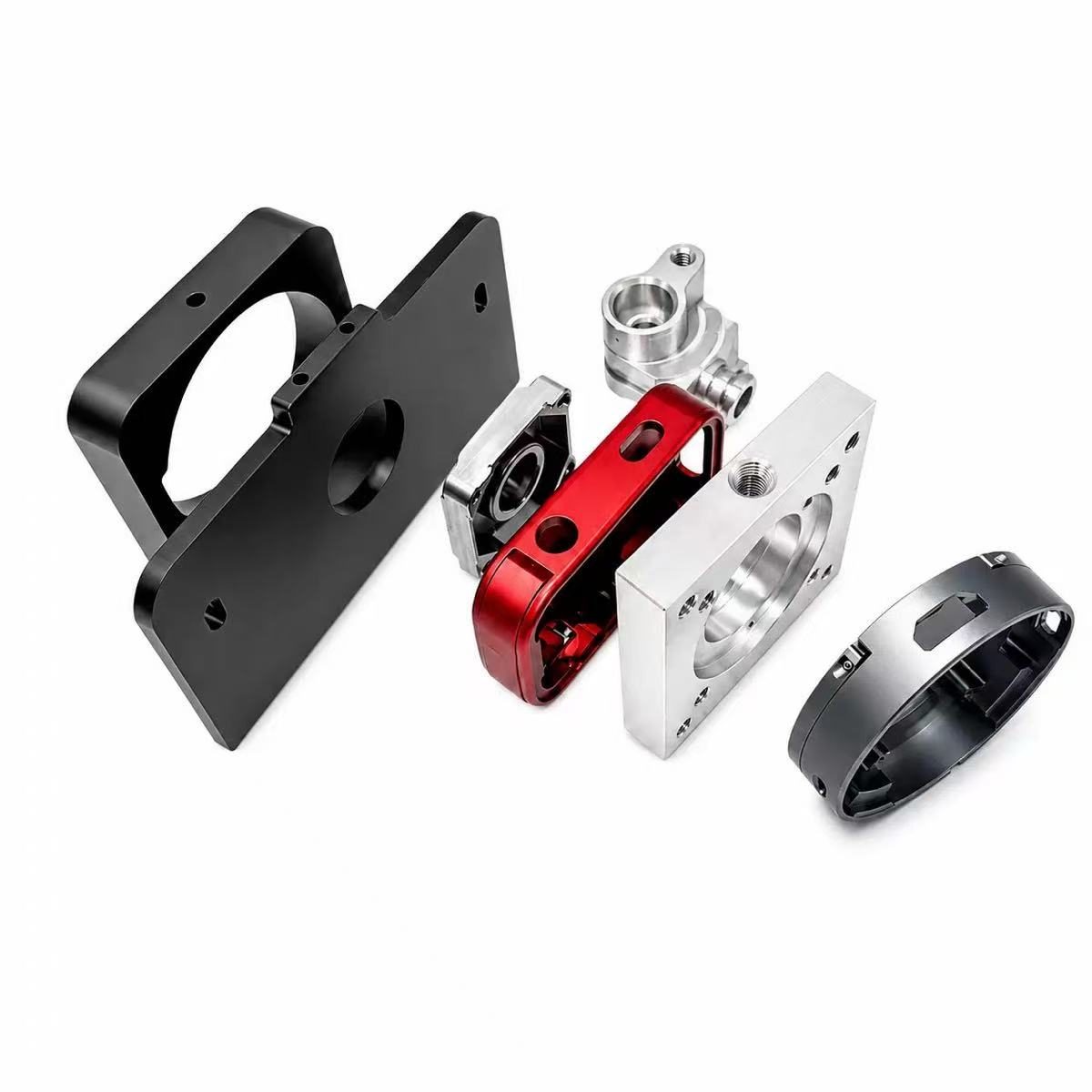
Brackets, housings and fittings in 6061/7075. See aluminum CNC guide.
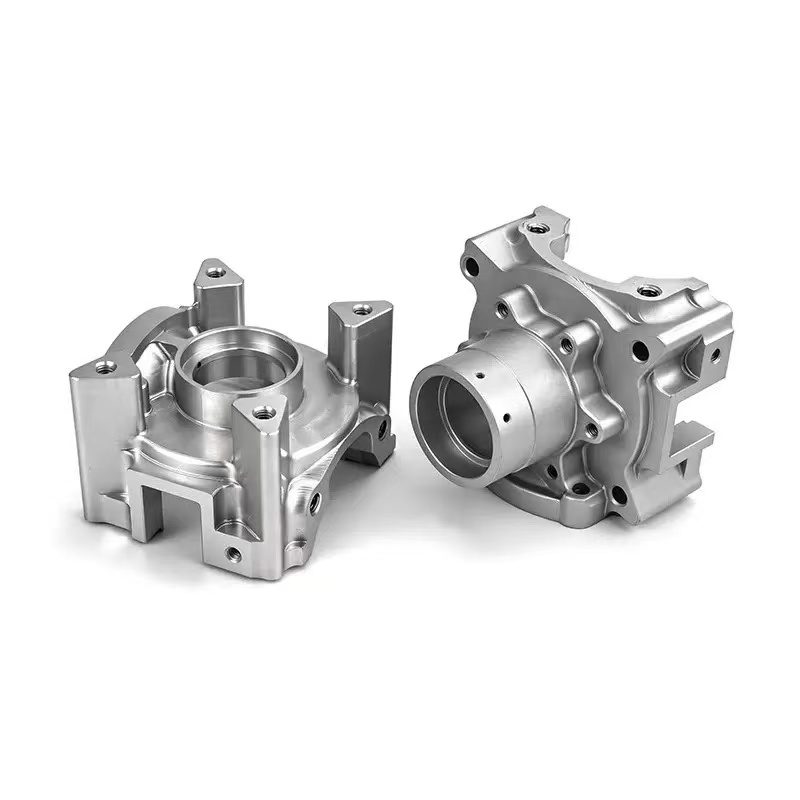
Brass, stainless and steel in one batch. See CNC turning.
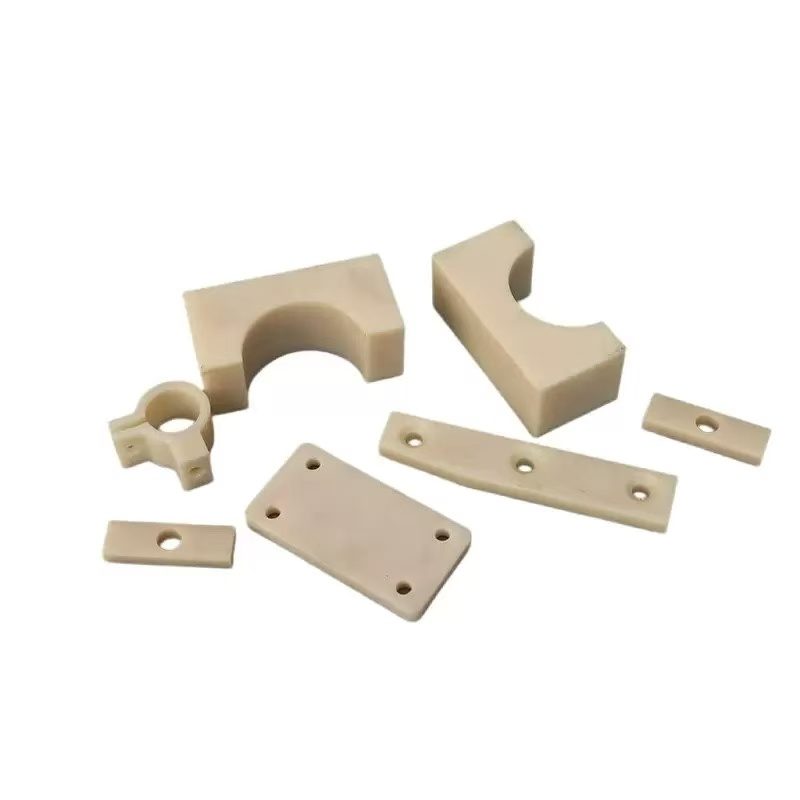
Acetal turned to a clean edge. See plastic machining guide.
Frequently Asked Questions
Can you supply material, or do I need to provide it?
Do you work with certified or aerospace-grade materials?
What tolerances can you hold on plastic parts?
Can you advise which material is right for my application?
Ready to start your project?
Send drawings — get a detailed quote within 24 hours.
Material-Specific Machining Guides
Per-alloy guides with grades, tolerances and finishes: aluminum CNC machining, stainless steel CNC machining, steel CNC machining, brass CNC machining, titanium machining, Inconel & Hastelloy CNC machining, and plastic CNC machining.
Related: Speeds & Feeds Calculator · Material Selection Guide · Stainless Steel CNC · Steel CNC
Related: CNC machining in China — sourcing from a vetted Shenzhen supplier
References: MatWeb — material property database