Precision CNC Milling Service
3-axis, 4-axis and 5-axis CNC milling for complex precision components — from single prototypes to stable monthly production for OEM programs.
What Is CNC Milling?
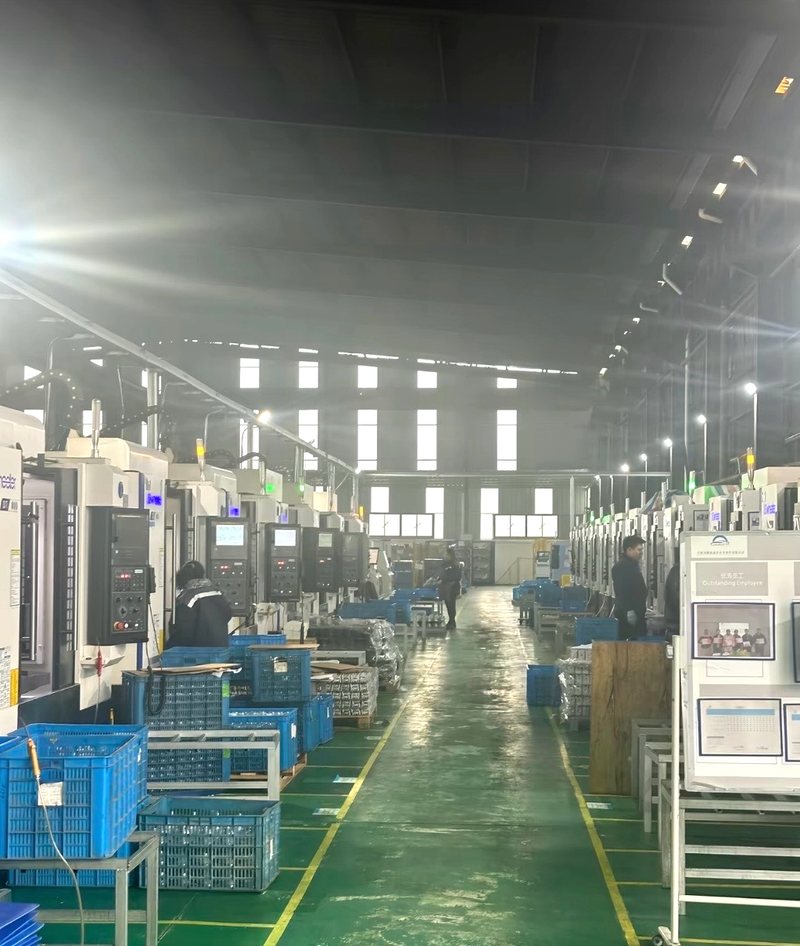
CNC milling is a subtractive machining process where rotating cutting tools remove material from a fixed workpiece to create precise features — pockets, slots, threads, sculptured surfaces and tight-tolerance bores. It is the backbone process for most custom metal and plastic parts.
Our milling capacity covers the full spectrum: 3-axis for cost-effective prismatic parts, 4-axis for multi-face features in one setup, and full 5-axis simultaneous machining for complex geometries that would otherwise require multiple fixtures and longer lead times. Milled aluminium is also the standard route for custom electronics enclosures; our enclosure machining guide covers the wall-thickness, EMI-gasket and thread details that keep a box from becoming a scrap bin.
Milling Capabilities at a Glance
| Capability | Specification | Notes |
|---|---|---|
| Machine configurations | 3-axis / 4-axis / 5-axis | Simultaneous 5-axis available |
| Standard tolerance | ±0.05mm | Per ISO 2768-m |
| Precision tolerance | ±0.01mm | Feature-dependent, stated in quote |
| Max part size | 1,000 × 600 × 550 mm | Larger on request |
| Surface roughness | Ra 0.8 μm standard | Ra 0.4 μm with fine finishing |
| Prototype lead time | 5–7 working days | Express 3-day option |
| Production lead time | 2–4 weeks | Scheduled monthly supply available |
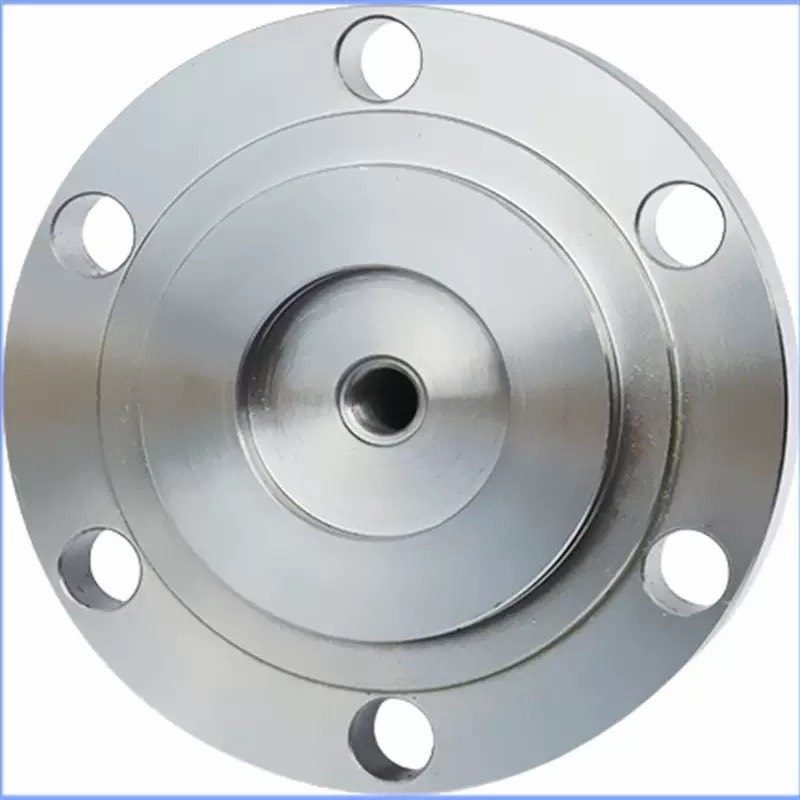
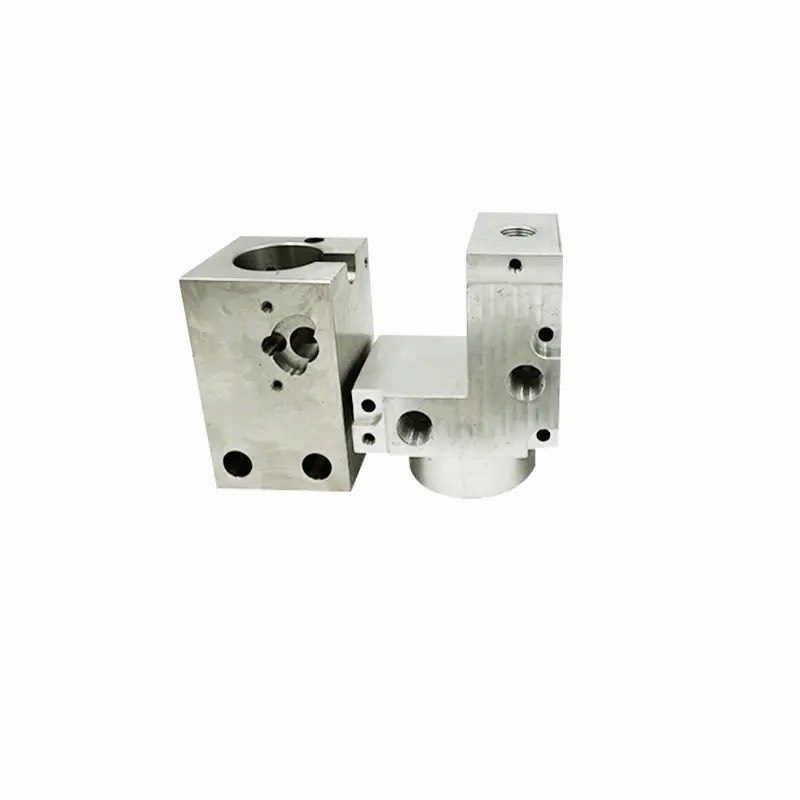
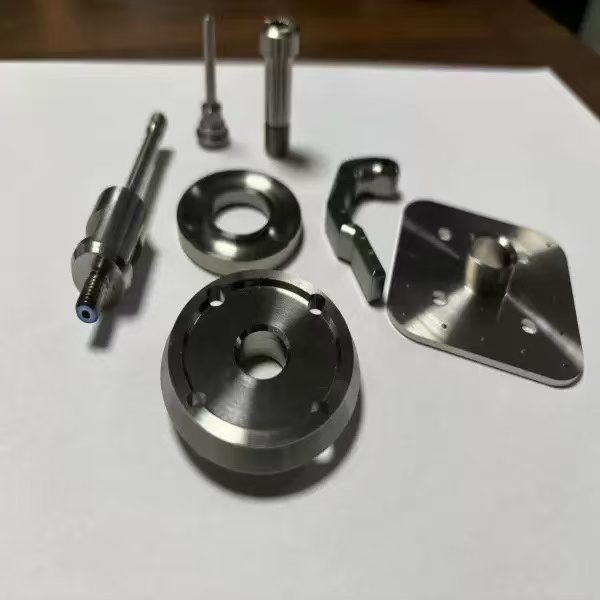
Turned and milled 304/316 components. See stainless grades.
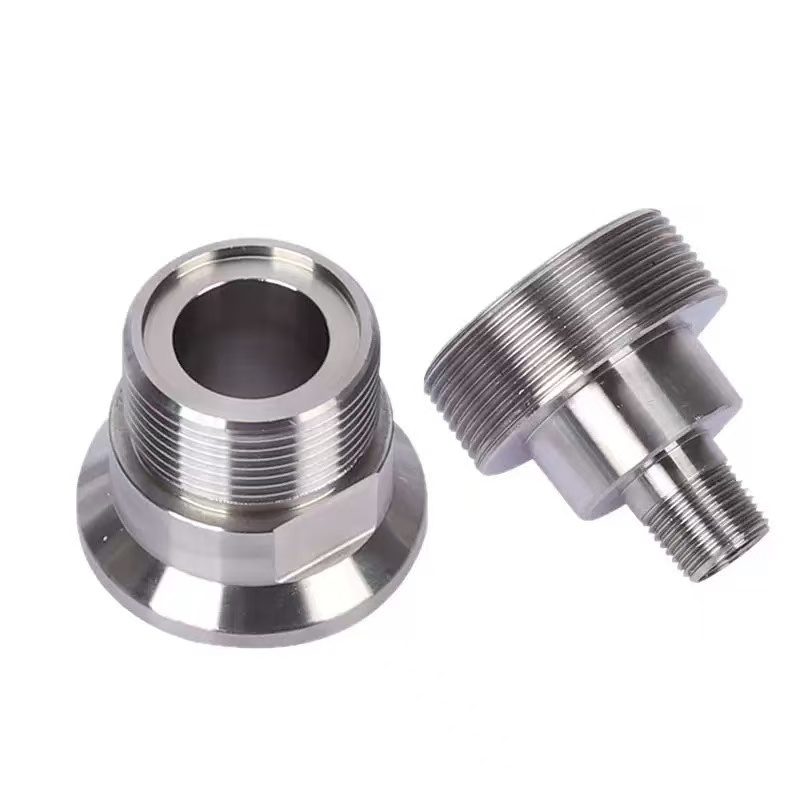
Fittings and pins ready for inspection.
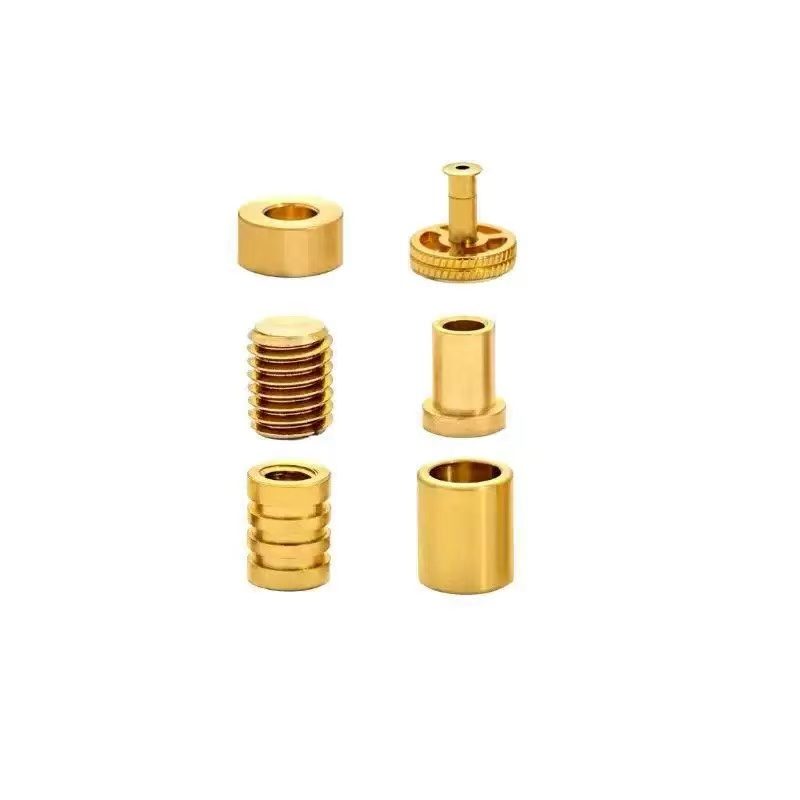
Stainless and brass fittings, NPT/BSP threads.
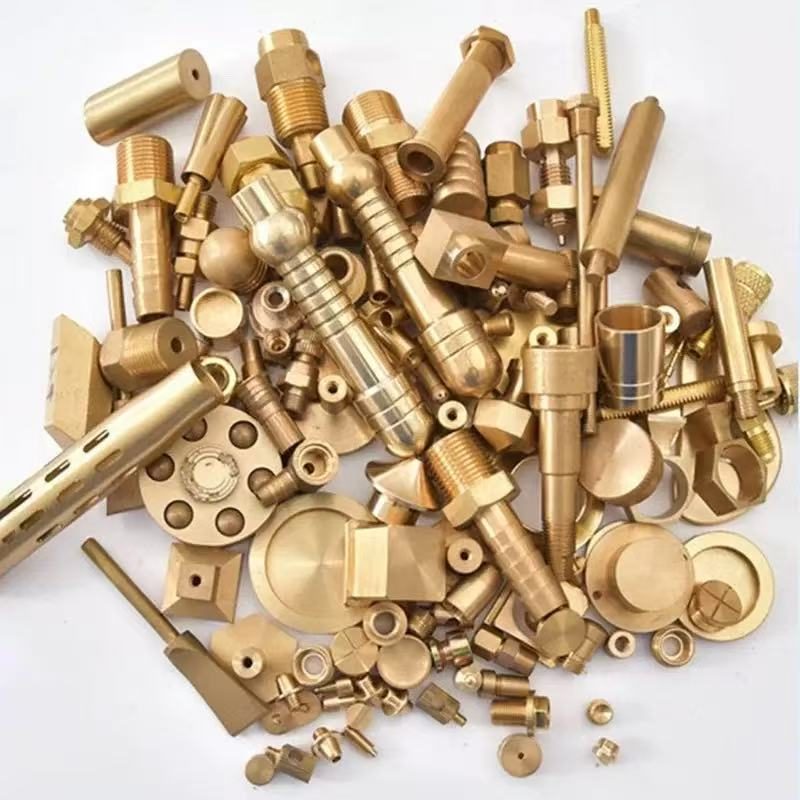
Type II anodize, color and clear. See aluminum guide.
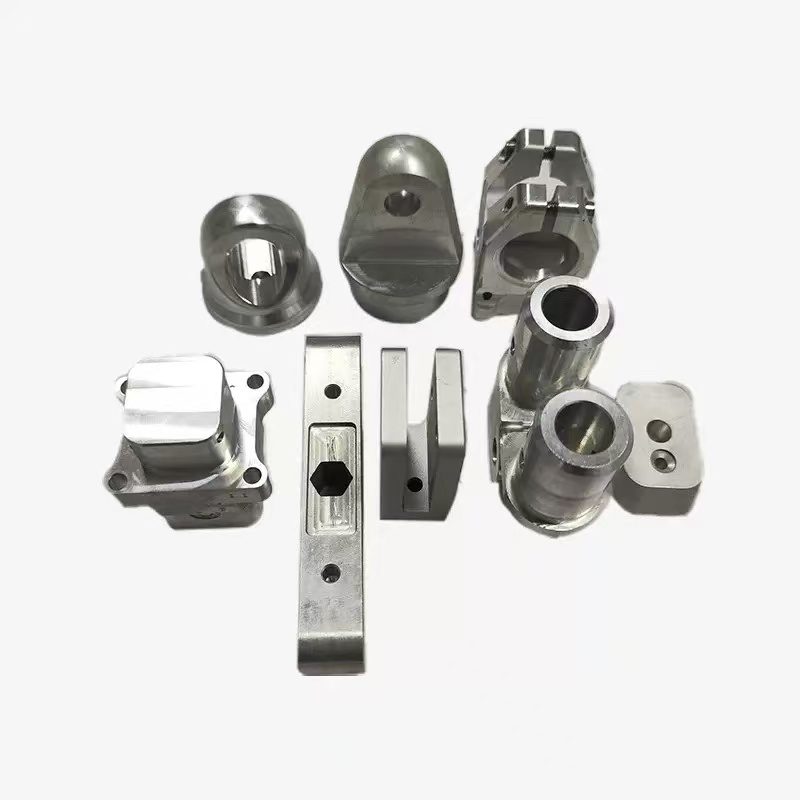
Knurled grip and threaded ends in 6061.
Materials We Mill
Aluminum 6061 / 7075
Excellent machinability and strength-to-weight — the default choice for housings, brackets and structural parts.
Stainless 304 / 316 / 17-4PH
Corrosion resistance for medical, food and marine-grade components.
Carbon & Alloy Steels
1018, 1045, 4140 — shafts, gears and load-bearing machine parts.
Engineering Plastics
POM, PEEK, Nylon, PC, PTFE — insulating, lightweight, low-friction parts.
See all materials with finish options → · Aluminum CNC machining guide →
CNC Milling Questions
What is the difference between 3-axis, 4-axis and 5-axis milling?
What tolerance can CNC milling achieve?
How much does CNC milling cost?
Milling vs. turning — which do I need?
Have a milling project?
Send drawings — engineer-reviewed quote in 24 hours.
Keep Reading
Comparing processes? See where CNC meets injection moulding on cost.