Low-Volume CNC Production
100–10,000 piece production runs with the consistency and inspection of full-scale manufacturing — without the cost of hard tooling.
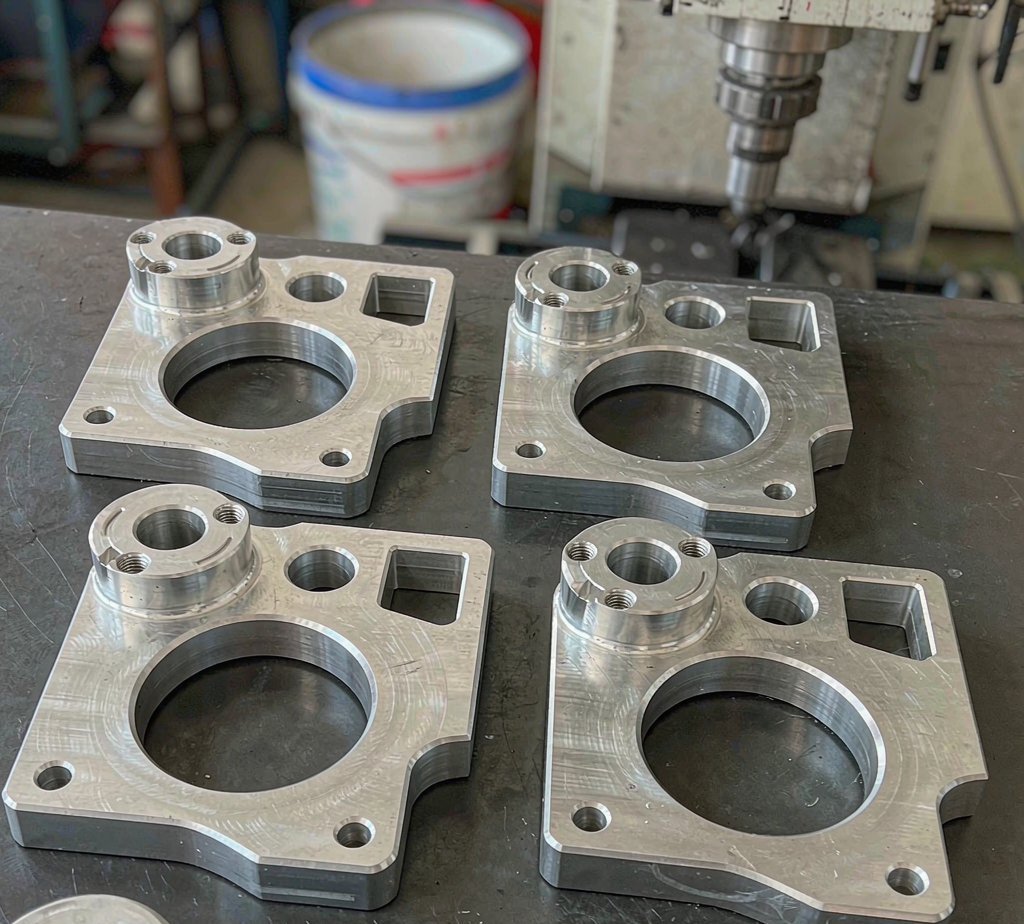
What Is Low-Volume CNC Production?
Low-volume production (also called bridge manufacturing) is the sweet spot between one-off prototyping and full mass production. Typical order quantities are 100–10,000 pieces — enough to support a product launch, a regional rollout, or a niche product line, without the cost and lead time of hard tooling.
CNC machining is the ideal process for low-volume production of precision parts: it gives you production-grade quality and material properties with the flexibility to change designs between batches.
Low-Volume Production Capabilities
| Capability | Specification | Notes |
|---|---|---|
| Typical quantities | 100–10,000 pieces | Annual contracts up to 200,000+ |
| Lead time per batch | 2–4 weeks | Scheduled monthly supply available |
| Batch size flexibility | From 50 pcs to 5,000 pcs | Mix part numbers in a single schedule |
| Standard tolerance | ±0.05 mm | Per ISO 2768-m |
| Production tolerance | ±0.01 mm on critical features | Per drawing |
| Quality control | 100% final inspection | CMM and FAI available per shipment |
| Capacity | 50,000+ parts/month | Across 40+ machines |
| Logistics | EXW / FOB / DDP | DHL, FedEx, UPS, sea freight |
When Low-Volume CNC Is the Right Choice
- Pre-launch production. 500–2,000 pieces to seed inventory while injection molds are being made.
- High-mix product lines. Multiple part numbers with low quantities each — common in robotics, automation and medical devices.
- Pre-tooling validation. Produce 100–500 parts in real material to validate the design before committing to tooling.
- Aftermarket and replacement parts. Long-tail spare parts for installed equipment — not enough volume to justify hard tooling.
- Defense, aerospace, medical. Industries where hard tooling is too expensive or where design changes are frequent.
Production Engineering Included
Every low-volume program is supported by a dedicated production engineer. They manage the production schedule, optimize cycle time, coordinate surface treatment and inspection partners, and keep you informed with weekly progress reports and photos. You will have a single point of contact for the entire program.
Frequently Asked Questions
What quantities qualify as low-volume production?
How does the price compare to mass production?
Can you ship on a recurring schedule?
How do you ensure batch-to-batch consistency?
Can I make design changes mid-program?
Ready to start your project?
Send drawings — get a detailed quote within 24 hours.
Keep Reading
If volumes may eventually climb, see where CNC gives way to injection moulding.
Related industries: CNC Machining for Automotive · CNC Machining for Aerospace