5-Axis CNC Machining Service
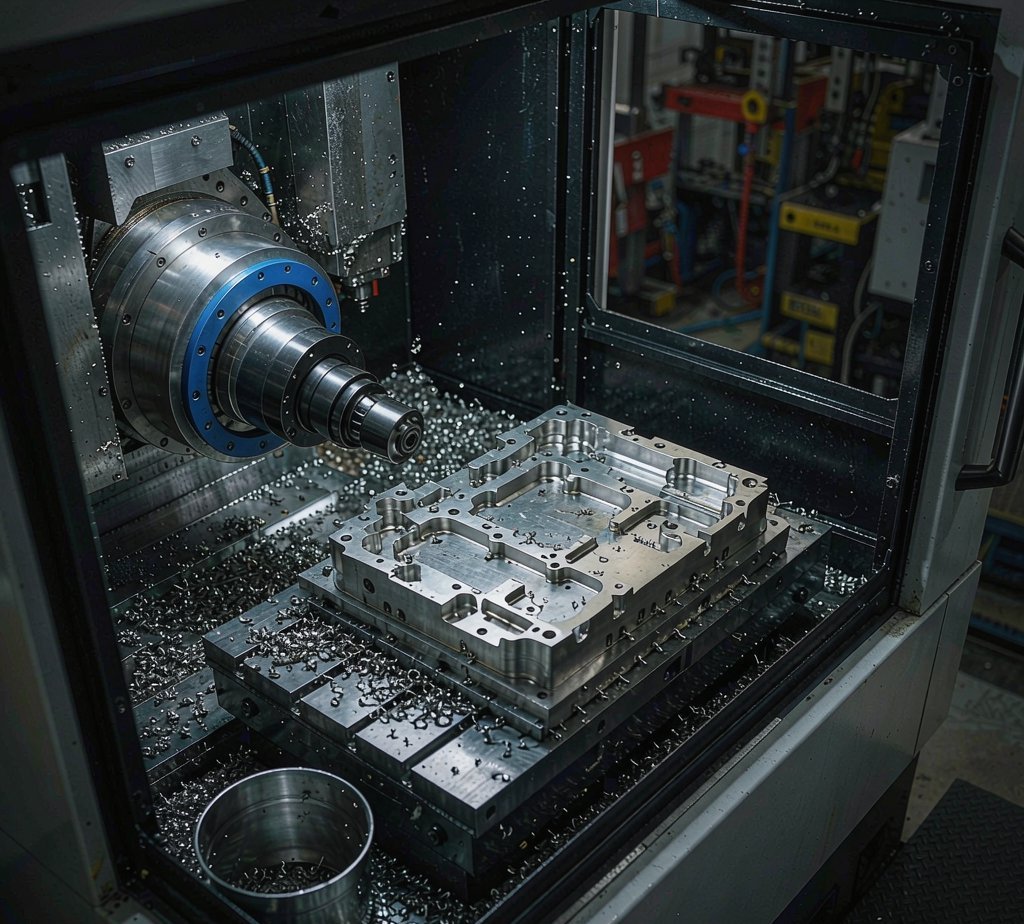
Full simultaneous 5-axis and 3+2 axis CNC machining for complex components — compound angles, sculpted surfaces, deep pockets, and multi-face parts in a single setup.
Cost note: 5-axis carries a higher hourly rate but often a lower total on complex parts. See how machining cost is calculated.
What Is 5-Axis CNC Machining?
5-axis machining adds two rotational axes (A and B or B and C) to the three linear axes (X, Y, Z) of standard 3-axis milling. This allows the cutting tool to approach the workpiece from virtually any direction in a single setup, which is critical for complex geometries: angled features, curved surfaces, deep pockets, and multi-face parts.
5-axis is not always necessary — for prismatic parts, 3-axis or 4-axis is faster and cheaper. But for parts with compound angles, sculpted surfaces, or features that would require multiple setups, 5-axis dramatically improves accuracy, reduces lead time, and often lowers total cost by eliminating secondary operations.
When to Use 5-Axis Machining
- Compound angles. Holes, slots, or pockets on non-orthogonal faces (e.g., angled manifold ports, prosthetic implants).
- Curved surfaces. Turbine blades, impellers, aerodynamic profiles, prosthetics.
- Multi-face parts. Parts with features on 4+ sides, where a 3-axis approach would require re-fixturing.
- Deep pockets with undercuts. Features inaccessible to a 3-axis tool without flipping the part.
- Better surface finish. Tool access at the optimal angle reduces step-over marks and improves finish quality.
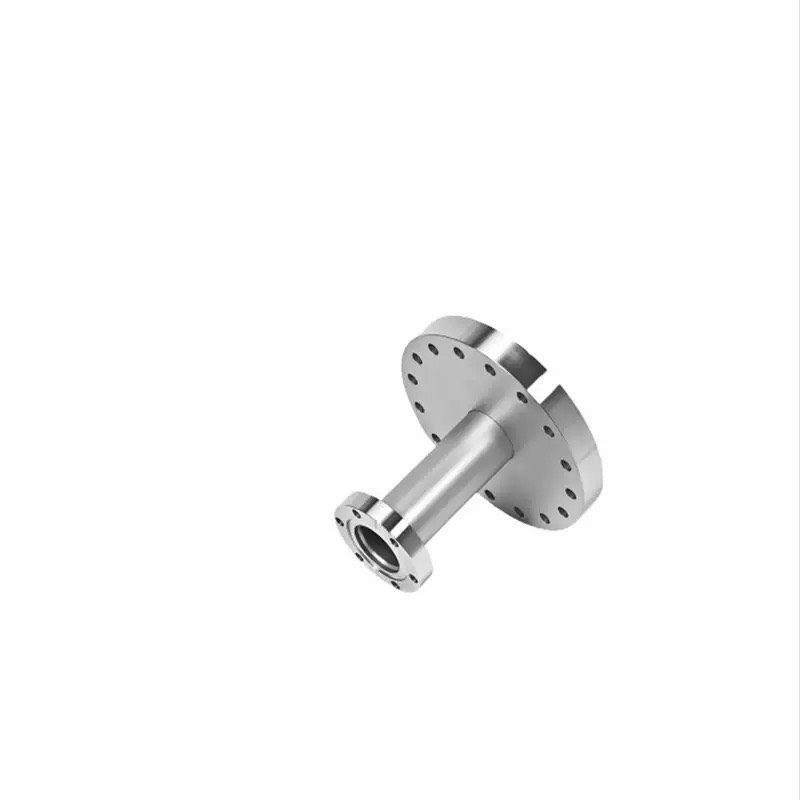
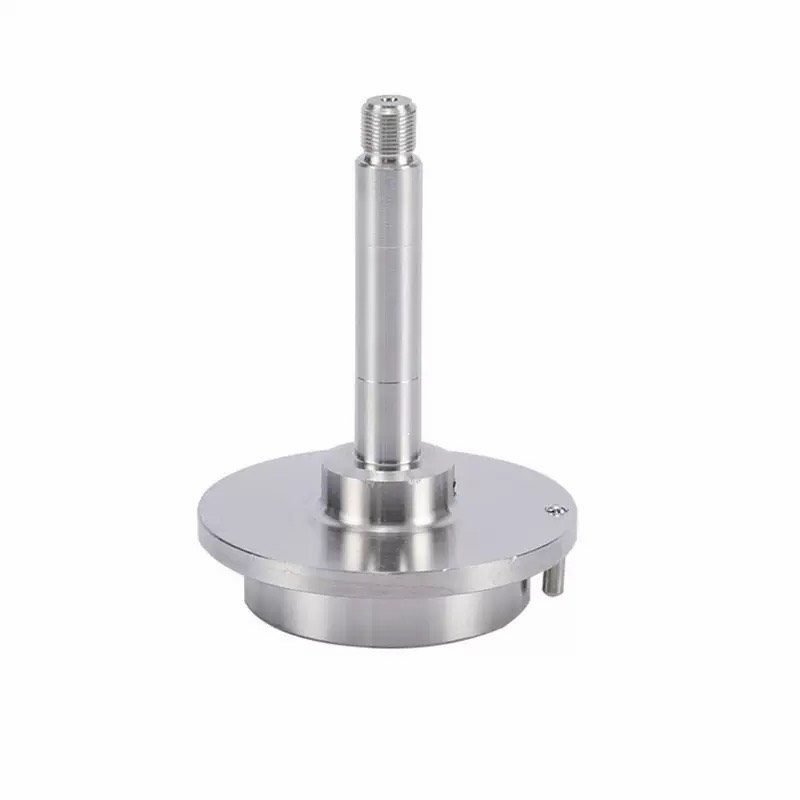
5-axis is the workhorse behind our most demanding industry programs — aerospace brackets and satellite mechanisms, automotive EV powertrain components, and medical implants and surgical instruments with compound angles and tight tolerances.
5-Axis Capabilities
| Capability | Specification | Notes |
|---|---|---|
| Machine configurations | 3+2 axis, full 5-axis simultaneous | Trunnion and head-head configurations |
| Max part size | 800 × 600 × 450 mm | Larger on request |
| Standard tolerance | ±0.05 mm | Per ISO 2768-m |
| Precision tolerance | ±0.01 mm | Feature-dependent |
| Surface roughness | Ra 0.8 µm standard | Ra 0.4 µm with fine finishing |
| Materials | Aluminum, steel, stainless, titanium, plastics | All standard grades |
| Lead time | 5–10 working days | Express 3-day option on request |
Software and Tooling
We use Mastercam and Fusion 360 for 5-axis programming, with Vericut simulation to verify tool paths before any material is cut. This catches collisions and over-travels in the virtual machine, so we never waste a workpiece. Our 5-axis tooling library includes Bull-Dozer and Form-Master inserts for hard-machining, plus high-feed and copy-milling cutters for aluminum and titanium.
Frequently Asked Questions
Is 5-axis always more expensive than 3-axis?
Can my 3-axis part benefit from 5-axis?
Do you support 3+2 axis (positional 5-axis)?
What CAD formats do you accept for 5-axis parts?
Ready to start your project?
Send drawings — get a detailed quote within 24 hours.