Steel CNC Machining: Carbon & Alloy Grades 1018/1045/4140, Tolerances & When to Choose It
Steel is the workhorse of custom parts — stronger and cheaper than aluminum, far easier to machine than stainless, and heat-treatable into high-strength shafts, gears and structures. Here is how to pick the grade, what tolerance to expect, and the design rules that keep steel parts accurate through heat treatment.
Why Choose Steel for a CNC Part
Steel gives you strength and hardness aluminum cannot reach, at a material cost well below stainless, and it machines predictably — easier on tooling than stainless, only a little slower than aluminum. That makes it the default for shafts, gears, brackets, fixtures and structural parts. The catch is that plain carbon steel rusts, so most parts get a finish (plating, black oxide, powder coat). Our materials overview compares the families, and the three-material comparison is the fastest way to decide between steel, stainless and aluminum.
| Grade | Type | Machinability | Strength | Typical use |
|---|---|---|---|---|
| 1018 | Low-carbon | Excellent | Low | Brackets, pins, general |
| 1045 | Medium-carbon | Good | Moderate | Shafts, gears, spacers |
| 1215 / 12L14 | Free-machining | Best | Low | High-volume turned parts |
| 4140 | Alloy (chromoly) | Good (after anneal) | High | Shafts, structural, tooling |
| 4340 | Alloy (Ni-Cr-Mo) | Fair | Very high | Aerospace, high-load parts |
| A36 | Structural plate | Good | Low | Base plates, frames |
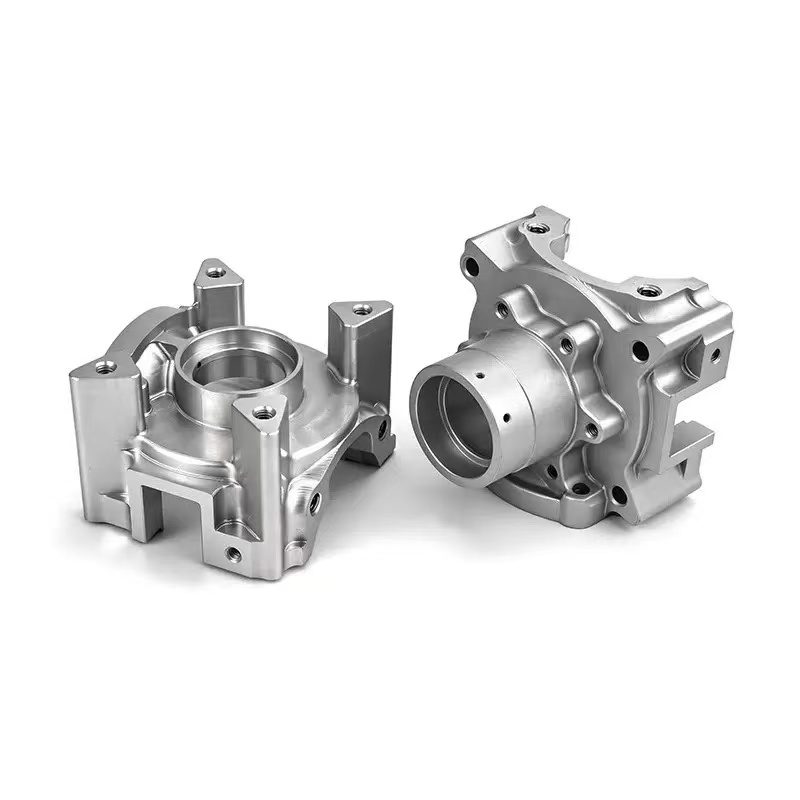
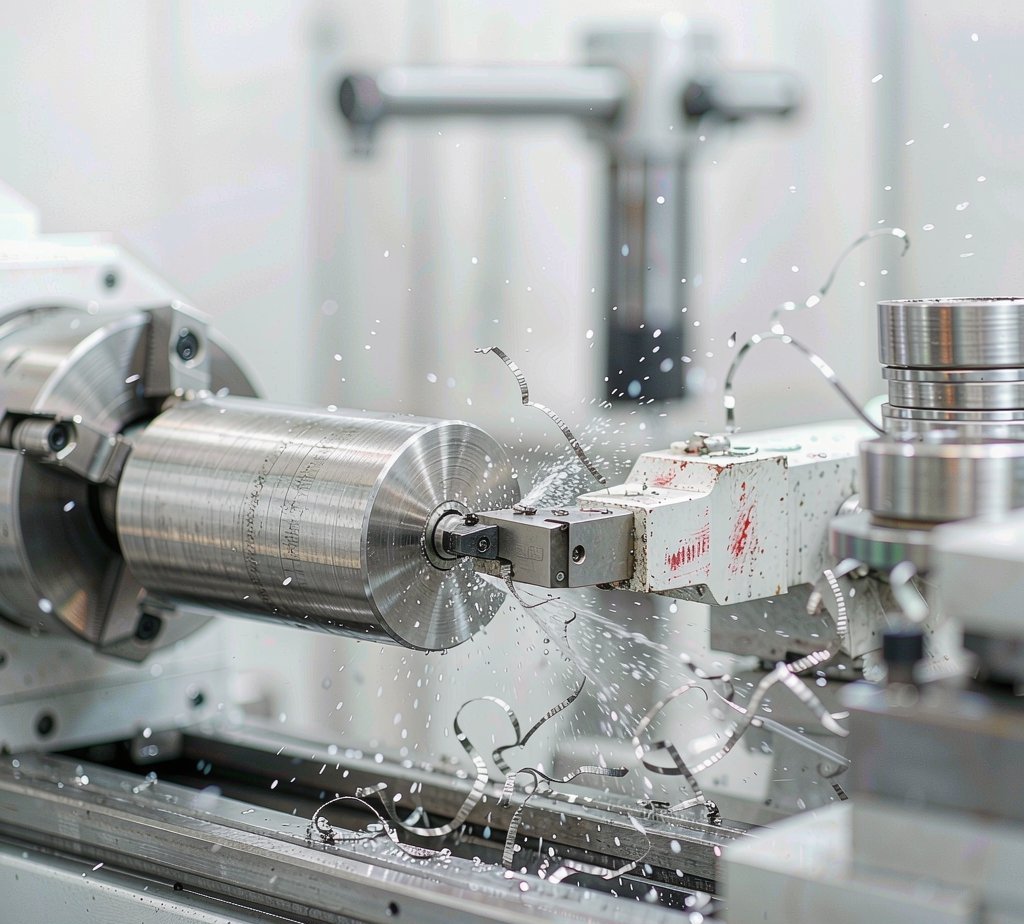
1045 and 4140 shafts, steady-rested for length. See CNC turning.
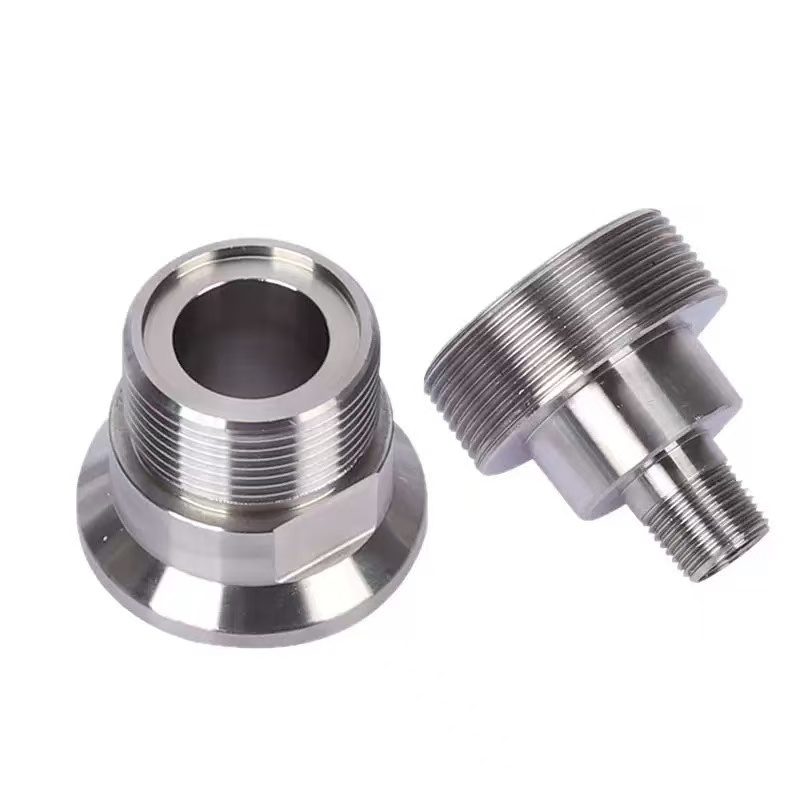
Every shipment is checked before it leaves. See quality control.
Tolerances and Surface Finish on Steel
Steel is dimensionally stable, so it holds the same tolerance band as our other metals — routinely ±0.025 mm, and ±0.01 mm on critical features with a controlled setup. The full table and the cost curve are in our tolerance chart. Because plain steel rusts, finishing matters more than on aluminum or stainless: zinc or nickel plating, black oxide and powder coat are the common choices. Heat-treatable alloys (4140, 4340) are usually rough-machined, heat-treated, then finish-machined so tolerance survives the hardness change — plan for that sequence up front.
Which Process
Round steel parts are turned; blocky ones are milled. Long shafts need steady rests and sometimes secondary operations. For parts with angled features or multiple faces, 5-axis machining reduces setups. Steel suits both one-off prototypes and low-volume runs. If you are weighing steel against printing for a low-volume part, the machining vs 3D printing comparison helps you decide.
Design Rules That Keep Steel Cheap
Steel is forgiving, but a few rules still matter. Choose a free-machining grade (1215, 12L14) for high-volume turned parts to cut cycle time. Standardize thread sizes and hole diameters to off-the-shelf tools. Only call out tight tolerance where the function needs it — and if the part is heat-treated, leave stock for finish machining after hardening. The deeper version is in our cost-reduction guide and the GD&T guide for buyers. If you are deciding between steel and stainless for a corrosive environment, the stainless steel guide covers the trade-offs.
Frequently asked
Which steel grade is easiest to CNC machine?
What tolerance can CNC machining hold on steel?
Does steel need surface treatment after machining?
When should I choose steel over aluminum or stainless?
Need a custom steel part?
Send the drawing and the grade. We'll mill or turn it to tolerance, finish or heat-treat as needed, and flag any dimension that is tighter than the function needs.
Related: Material Selection Guide · Stainless Steel CNC