CNC Turned Brass Parts & Fittings
CNC turned brass parts are made by spinning bar stock against a fixed cutter: a 20 mm C360 bushing comes off the lathe at ±0.01 mm and about Ra 0.8 µm. C36000 machines easiest (machinability 100) and lead-free C69300 meets potable-water rules. Standard lathes suit batches of 50–5,000; Swiss screw machines win on parts under 20 mm or long, slim shafts.
Your Brass Fittings Came Back With Burrs — And Slightly Out of Round
Brass machines beautifully, which is exactly why it also misbehaves. It is soft, so the parting tool leaves a fine burr at the cut, and if the bar is clamped too hard or turned too fast the thin section springs out of round before it is released. You did not get a bad batch — you got a shop that treated brass like steel. The part needs a deburr call-out on the drawing, a light clamp, and a finish pass sized for a soft metal. Tell us the finished dimension and the deburr requirement up front, and we'll set the cut so the part measures where you drew it and ships clean.
What "Turned Brass" Actually Means — and Why It Beats Milling Here
Turning spins the raw bar and feeds it into a stationary cutter, so the stock itself becomes the datum: round and hex brass are cut to a true diameter in one pass, with no setup for a second or third side. For anything that is round, hollow, threaded or long — bushings, fittings, connectors, standoffs, spacers, valve bodies — turning is faster and cheaper per part than milling the same shape from a block. The constraint is geometry: turning is for parts of revolution. If the part has a flat feature, a keyway or a cross-hole that the bar cannot carry, milling or a mill-turn machine finishes it. The practical question is not "brass or not" but "how much of this part is round," because that decides whether turning alone gets you there.
Pick the Brass Grade From the Job, Not the Habit
C36000 is the default for a reason, but lead content and a few properties steer the choice on fittings and connectors.
| Grade | Machinability | Lead | Best for | Basis |
|---|---|---|---|---|
| C36000 (CW614N) | 100 (benchmark) | ~0.09% (typical) | Fittings, connectors, bushings, nuts | ASTM B16 / B455 |
| C38500 (architectural bronze) | ~80 | Low–moderate | Decorative trim, knobs, extrusions | ASTM B455 |
| C46400 (navy brass) | ~60 | Very low | Marine, soldered & brazed assemblies | ASTM B455 |
| C69300 / C87850 (lead-free) | ~70–80 | None (silicon brass) | Potable water, EU RoHS, beverage | ASTM B584 / B455; NSF-61 |
These are standard UNS grades and the machinability ratings published for them; machinability 100 means C36000 is the reference all other metals are measured against. C36000's density is about 8.47 g/cm³ and tensile strength around 340 MPa — ordinary, useful numbers when you are comparing it against steel or aluminium for a given part. Lead-free C69300 and C87850 (ECO BRASS) machine a little less freely but clear the lead limits that rule C36000 out of plumbing and many EU applications, so they are the right call whenever the part carries or contacts drinking water. See the brass machining guide for the wider material picture.
What a Lathe and a Swiss Machine Will Actually Hold
Don't over-specify. Most turned brass is fine at ±0.05 mm; you pay for everything tighter.
| Process | Diameter tolerance | Surface finish (Ra) | Suited to |
|---|---|---|---|
| Standard CNC lathe (typical) | ±0.01 mm (0.0004 in) | 0.8 µm | Short, stout parts; 1–5,000 pcs |
| Swiss screw machine | ±0.005 mm (0.0002 in) | 0.4–0.8 µm | Parts <20 mm, long/slim shafts, high volume |
| Open (fit-for-purpose) | ±0.05 mm (0.002 in) | 1.6 µm | Fittings, spacers, non-critical |
The figures above are industry-typical turning capability for brass and the ISO 2768 general-tolerance bands most drawings fall under when no tighter callout is given. A Swiss machine earns its keep only on parts where its guide bushing matters — small, slender, high-volume — so for a chunky 30 mm bushing a standard lathe at ±0.01 mm is the cheaper answer. The full tolerance chart shows every band and what each process realistically holds.
DFM Calls That Keep Turned Brass Cheap
Three decisions decide most of the cost on a turned brass part, and all three are on the drawing. First, design from bar stock: round or hex bar is the cheapest raw form, so a part you can cut from a 20 mm bar costs less than one that needs a near-net forging. Second, watch wall thickness — brass is soft, so walls under about 0.5 mm on a small diameter chatter and need slower feeds or a support; open them up where function allows. Third, call out threads and deburr explicitly: internal threads cut clean from solid bar, but specify the deburr so the parting-line burr is removed and the part passes a go/no-go gauge. A long, slim shaft that would whip on a standard lathe is a Swiss job, not a redesign — describe the envelope and we'll pick the process, not the other way round.
Standard Lathe or Swiss? Decide From the Geometry
The right answer is mechanical, not cultural — it follows the part's size and the order quantity.
| Choose this when… | Process |
|---|---|
| Part is short and stout, volume is tens to a few thousand | Standard CNC lathe |
| Part is under ~20 mm diameter or long and slender | Swiss screw machine |
| Part has flat features, keyways or cross-holes | Mill-turn or lathe + milling op |
| Quantities in the tens of thousands, high mix | Swiss or multi-spindle screw machine |
These are the geometry-and-volume rules shops actually quote by; the Swiss advantage is the guide bushing that supports the bar right at the cut, which is why it owns small and slender work. It is not automatically "better" — for a fat 30 mm bushing it adds setup cost you do not need. The Swiss vs standard turning guide lays the trade-offs out in full.
How Your Turned Brass Order Is Handled
Brass is cut in-house on lathes and Swiss machines, deburred and inspected to the dimension you specify — the same quality path as the rest of the materials we run. On the drawing, call out the grade (C36000 unless potable-water rules apply), the diameter tolerance you actually need, and the deburr; if the part carries a thread or a press fit, say whether the bore or shaft is the critical face so the allowance is planned before the cut. We return the parts with inspection to the tolerance you asked for, not the tolerance we hoped for, and we flag the lead-free switch at quoting if your application is potable or RoHS-restricted.
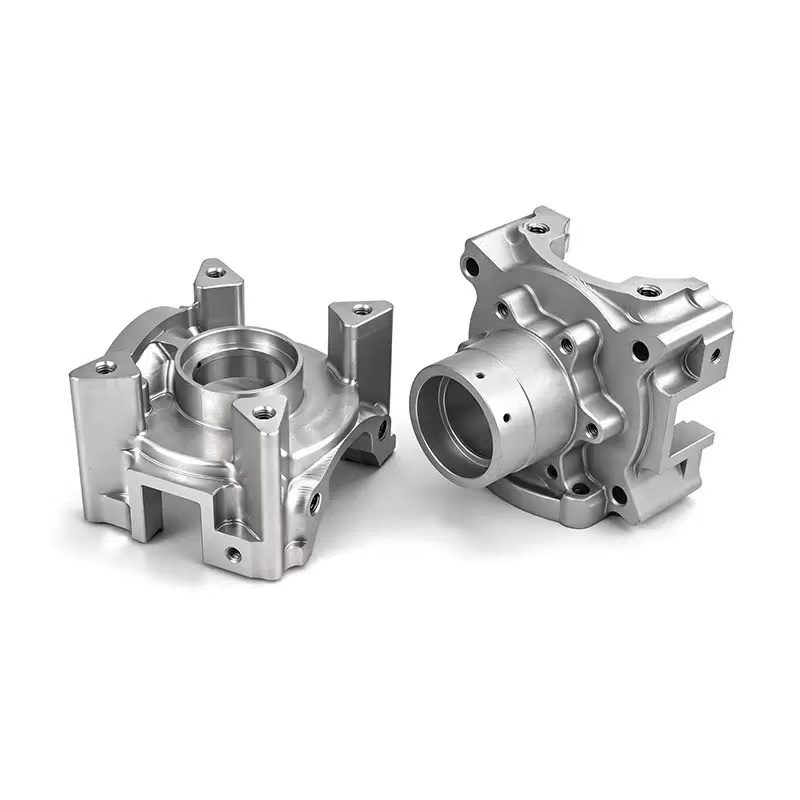
Bushings, spacers, connectors.
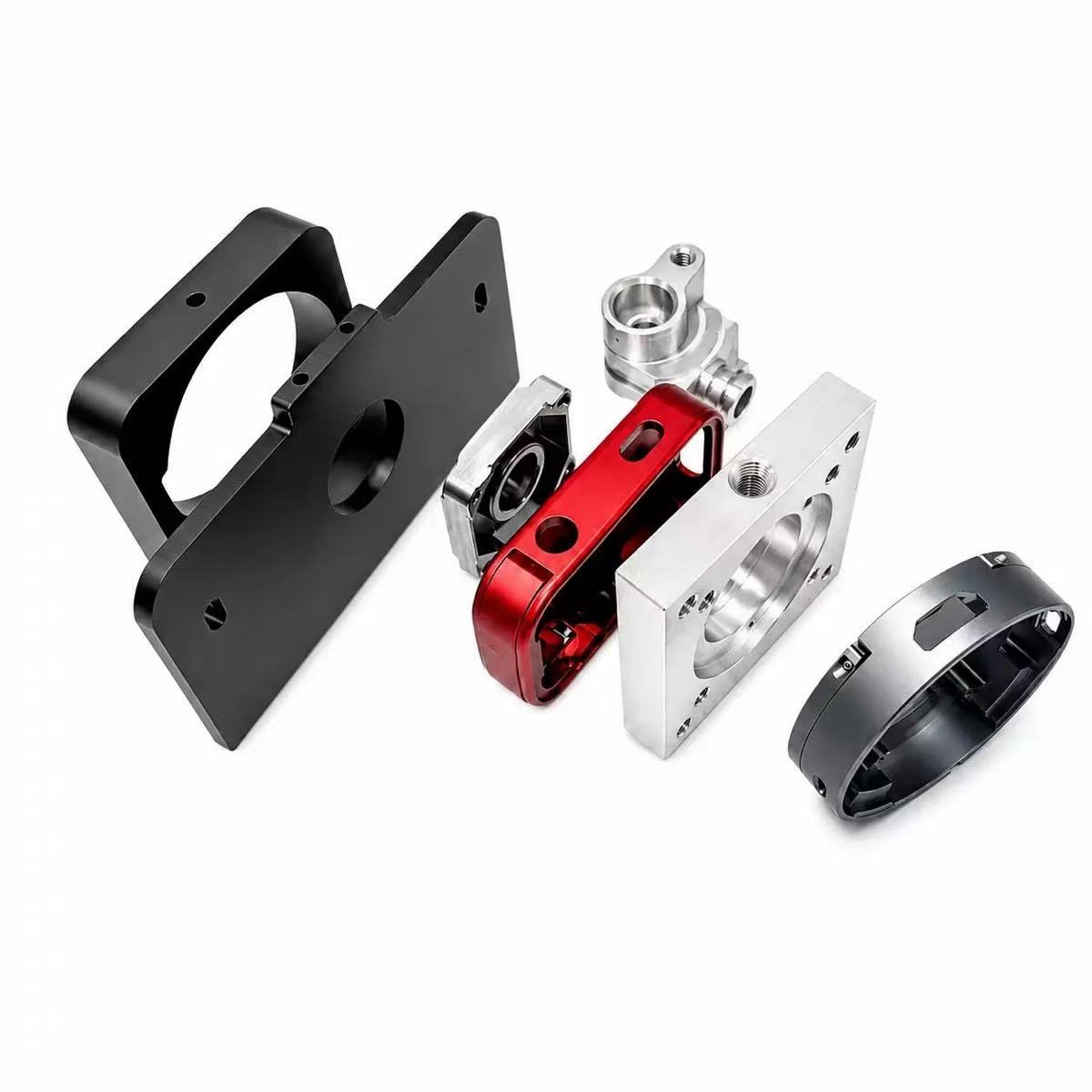
Turned, deburred, inspected.
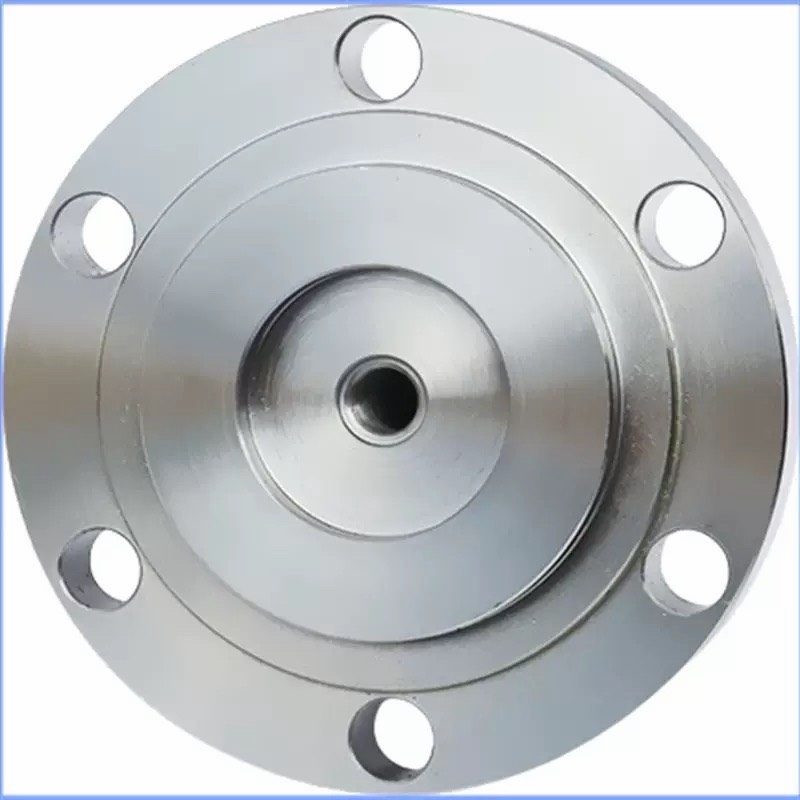
Turned and finished.
Turned Brass — Common Questions
Which brass grade should I specify for turned parts?
What tolerance can a lathe hold on turned brass?
When should I use a Swiss screw machine instead of a standard lathe?
Why do my brass fittings come back with burrs or out of round?
Can I get brass turned parts without lead content?
Sources & Further Reading
- ASTM B16 / B16M — free-cutting brass rod, bar and shapes for screw machining (C36000, C38500).
- ASTM B455 / B455M — copper alloy extruded shapes for screw products (C36000, C46400).
- ASTM B584 — sand-cast copper alloy specifications, including lead-free silicon brasses (C69300, C87850).
- ISO 2768 — general tolerances for linear and angular dimensions not individually toleranced.
- NSF/ANSI 61 / EU RoHS — material lead-content limits for potable-water and electrical/electronic applications.
Machinability, density and tensile figures above are standard published values for the named UNS grades, not proprietary shop data. Where this page says "industry-typical," it describes common turning practice rather than a published standard.
Need turned brass parts that measure where you drew them?
Send the drawing with the grade, the tolerance you actually need, and the deburr called out. We'll machine it in-house, pick standard lathe or Swiss from the geometry, and return a per-drawing quote and DFM feedback within 24 hours — so the part comes back clean and in spec.
Cite this page
Engineers and buyers are welcome to link to or cite this reference. It's free to use and we keep the standards current.