Passivation of Stainless Steel After CNC Machining
Passivation is a citric- or nitric-acid bath (ASTM A967 / AMS 2700) that removes free iron smeared onto stainless during machining so the chromium-oxide layer can re-form. It restores corrosion resistance without changing dimensions or appearance. Specify it for medical, food, marine or aerospace parts — not as a default on every job.
Your Stainless Part Rusted — Here's the Real Reason
You machined a 316 fitting, it passed inspection, and two weeks later a brown stain shows up. That isn't bad steel — it's free iron. Every cut smears microscopic iron from the tool and the swarf onto the surface, and that iron rusts where the chromium-oxide layer can't protect it. Your part was never non-stainless; its passive film was simply blocked. Passivation is the step that clears the blockage so the surface can protect itself again.
What Passivation Does — and What It Doesn't
Passivation conditions the surface you already have. It is not a coating, so it can't change how the part looks or measures.
| Passivation does | Passivation does NOT do |
|---|---|
| Dissolve free iron left by machining, handling and tooling | Add a coating, layer or plating |
| Let the chromium-oxide passive layer re-form uniformly | Change dimensions, color or surface finish |
| Improve corrosion resistance of the existing surface | Fix a wrong alloy choice or a pitted part |
| Meet ASTM A967 / AMS 2700 when the job requires it | Replace electropolishing or anodizing |
If your goal is a smoother, brighter surface or a thicker protective deposit, that's electropolishing or plating — a different process. Passivation only cleans and conditions. The standard reference is ASTM A967 (aerospace also uses AMS 2700); cleaning before the bath follows ASTM A380.
Nitric vs Citric — Which One You Should Ask For
You'll see both chemistries on a quote, and the difference matters for cost, safety and which grades behave. Both meet ASTM A967 and remove free iron equally well; the choice is about how the bath is handled, not whether it works. Citric has become the default across the industry over the last two decades because it's gentler on people, disposal and free-machining grades.
| Property | Citric (ASTM A967 Method 2) | Nitric (ASTM A967 Method 1) |
|---|---|---|
| Acid concentration | Citric acid 4–10 wt% | Nitric acid 20–45 vol% |
| Bath temperature | 20–71 °C | 20–60 °C |
| Dwell time | 4–30 minutes | 20–30 minutes |
| Free-machining grades (303/416) | Gentler — preferred | Risk of pitting unless inhibited |
| Safety / disposal | Biodegradable, low hazard | NOx fumes, regulated waste |
| When to specify | Default — unless print says otherwise | Only when the drawing mandates it |
These are the process windows in ASTM A967, not our shop limits — your drawing is binding, so if it names Method 1 we run nitric. For a plain "passivate" or "ASTM A967" call-out, citric is the sensible default. The numbers are industry-typical process ranges; the cited standard is the authority.
Passivate Your Part Only When the Job Earns It
Passivation is cheap insurance in the right places and wasted cost everywhere else. Make the call from the service environment, not from habit.
| Specify passivation when… | Usually skip it when… |
|---|---|
| Medical, food or pharmaceutical contact (biocompatible, hygienic surface) | The part is indoor, dry and structural |
| Marine, outdoor or chemical exposure | Corrosion is handled by a later coating |
| Aerospace or regulated programs require ASTM A967 / AMS 2700 | No spec calls for it and appearance isn't critical |
| You can't tolerate any surface iron (electrical, high-purity) | The alloy is already chosen for a different reason |
This mirrors how we handle corrosion-critical work on stainless steel parts generally — passivation is the finishing step, not the machining step. If you're unsure whether your environment needs it, tell us the end use and we'll recommend rather than assume.
How We Handle Passivation on Your Parts
We machine stainless in-house and arrange passivation through our finishing partner per ASTM A967 / AMS 2700, so the quoted lead time already includes the handoff — the same route as our other surface finishes. On the drawing, call it out explicitly: "Passivate per ASTM A967" (or "AMS 2700" for aerospace), and name citric or nitric if your print is specific. Free-machining grades 303 and 416 get routed to citric or inhibited nitric so the surface stays clean. For regulated work we supply a certificate of conformance and run the copper sulfate verification. Tell us the end environment — marine, food, high-current — and we'll pick the method rather than guess.
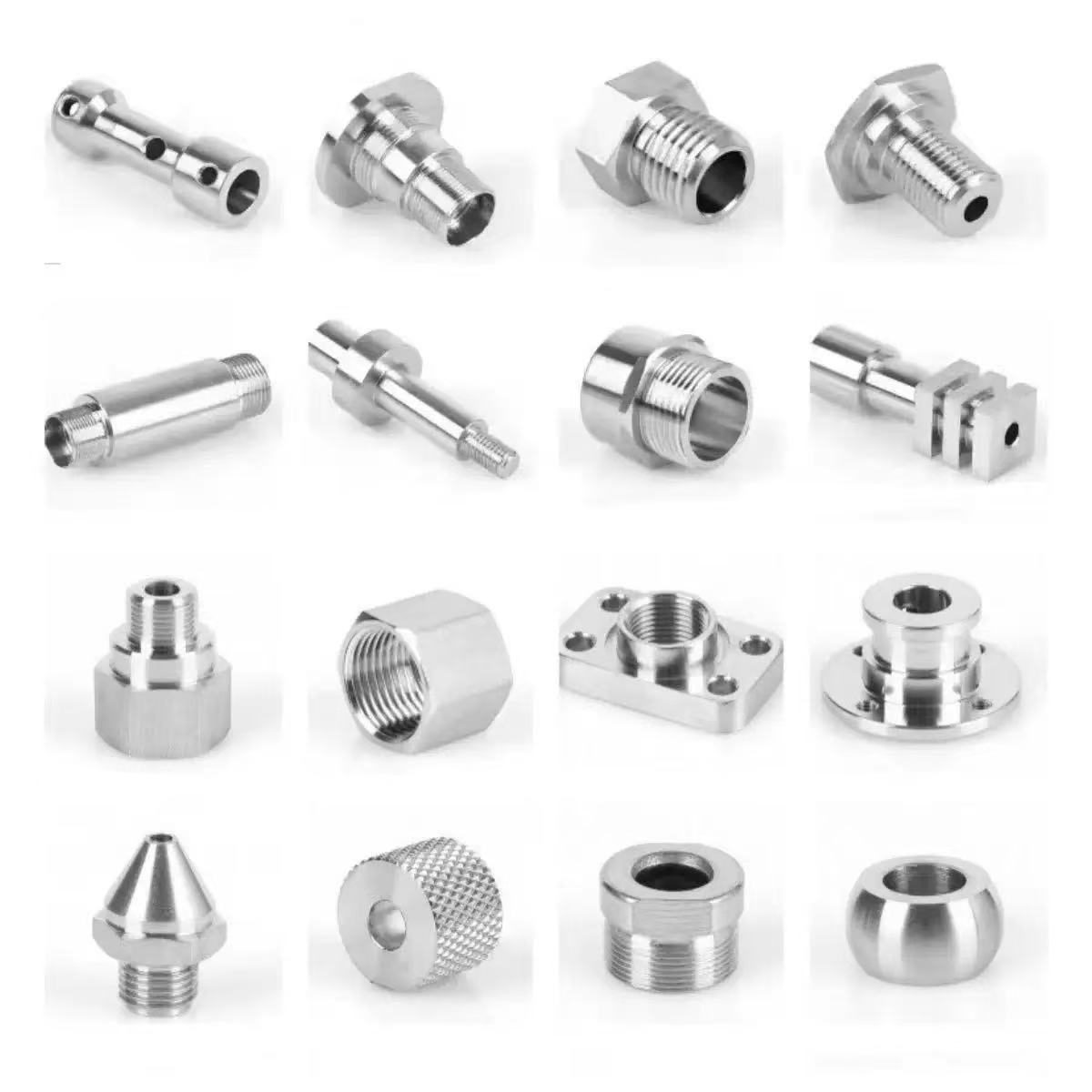
Fittings, adapters, connectors.
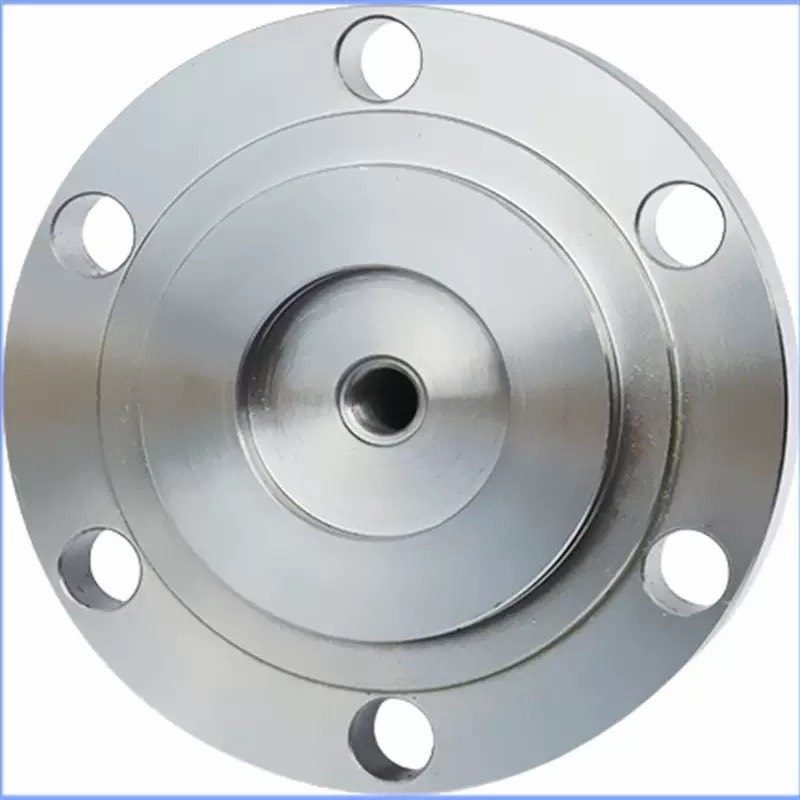
Flanges and bodies.
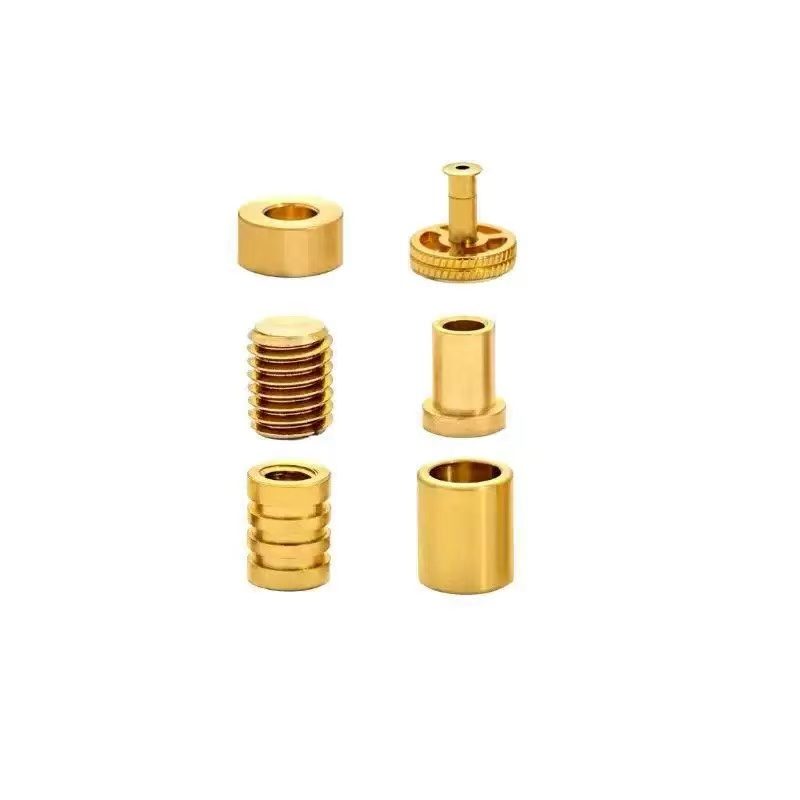
Adapters and couplings.
Passivation — Common Questions
When do machined stainless parts actually need passivation?
Does passivation change the dimensions or color of my part?
Nitric or citric acid — which should I specify?
What about 303 or 416 stainless — won't passivation ruin them?
How do you verify passivation actually worked?
Sources & Further Reading
- ASTM A967 / A967M — standard specification for chemical passivation treatments of stainless steel (nitric and citric methods, verification).
- AMS 2700 — passivation of corrosion-resistant steels (aerospace); methods align with ASTM A967.
- ASTM A380 / A380M — cleaning and descaling of stainless steel parts before passivation.
- ASTM A967 Practice B — copper sulfate test for verification of free-iron removal.
Process windows cited above are the ranges in ASTM A967, not proprietary shop limits. Where this page says "industry-typical," it describes common machining practice rather than a published standard.
Need a stainless part that stays corrosion-resistant?
Send the drawing with the end environment called out. We'll machine it, arrange passivation through our partner per ASTM A967 / AMS 2700, and return DFM feedback and a per-drawing quote within 24 hours — so the finish matches the service, not a guess.
Cite this page
Engineers and buyers are welcome to link to or cite this reference. It's free to use and we keep the standards current.