PEEK CNC Machining: Grades, the Heat Problem & Tolerances
PEEK (polyether ether ketone) is machining-ready from solid stock for parts that need 250°C continuous service, chemical resistance, or implant-grade biocompatibility that metals or cheaper plastics can't deliver. Expect ±0.05 mm standard tolerance, a 5–10 working-day prototype, and roughly 10–20× the per-volume cost of aluminium. Tighter than ±0.02 mm needs temperature-controlled machining.
Choose PEEK Only When Metal or Cheaper Plastic Can't Do the Job
You're weighing PEEK against aluminium or a nylon part, and the material alone can swing the quote by 10×. Work the decision from the requirement, not the material. If your part has to sit at around 250°C, soak in a solvent or acid, or go into a body, PEEK is the answer and the cost is simply the price of survival — aluminium would oxidise or corrode, and POM would soften or craze. If the part only needs to be light and modestly loaded, aluminium or nylon is faster, cheaper and stronger on load. We've seen drawings call out PEEK on a bracket that a 6061 part would have handled for a tenth of the cost; reversing that order is the common, expensive mistake.
What Actually Makes PEEK Hard to Cut
You get the part back and the surface looks dragged instead of machined, or it warps a week later. That's the heat problem: PEEK's thermal conductivity is low, so the energy from the cut stays at the edge instead of flowing into the part, the material softens locally, and it smears rather than shears. The fixes are tooling and process, not force — sharp, highly positive-rake carbide tools, controlled feeds that keep the edge cutting instead of rubbing, and flood or high-pressure coolant to pull heat out the instant it forms. The other trap is residual stress: machined PEEK can relax after cutting and drift out of tolerance, so stress-relief annealing the stock before machining is what keeps a tight-tolerance part stable. These are starting points to prove on a first-article part — exact speed and feed move with grade, fill and fixture rigidity, so we validate them on your actual geometry rather than quoting a textbook number.
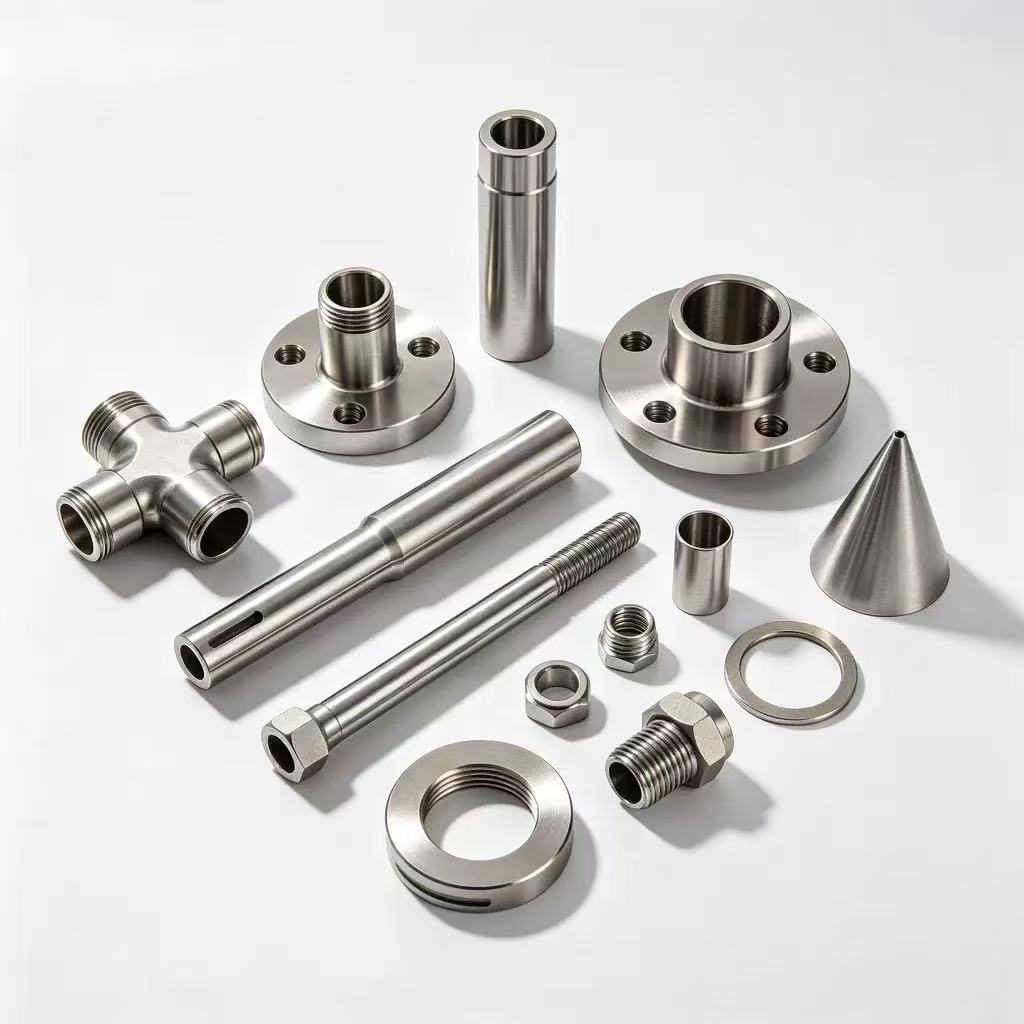
Small batches, tight features, no tooling.
The Numbers That Decide Whether PEEK Is Worth It
These are industry-typical values for unfilled PEEK. They're the data you check against your requirement before you brief the part.
| Property | Typical value | Basis |
|---|---|---|
| Density | 1.30–1.32 g/cm³ | ASTM D792 |
| Glass transition (Tg) | ~143°C | Differential scanning calorimetry |
| Melting point | ~343°C | DSC |
| Continuous service temperature | up to ~260°C | Industry-typical (unfilled ~250°C, glass-filled higher) |
| Tensile strength (unfilled) | 90–100 MPa | ASTM D638 |
| Flexural modulus | ~3.6–4.0 GPa | ASTM D790 |
| Dielectric strength | >20 kV/mm | ASTM D149 |
| Water absorption (24 h) | ~0.1% | ASTM D570 |
| Flammability | UL 94 V-0 | Self-extinguishing |
| Biocompatibility (medical grades) | ISO 10993 / USP Class VI | Implant-adjacent use |
| Friction coefficient (vs steel, dry) | 0.25–0.35 | Industry-typical |
Filled grades move several of these: 30% carbon-filled PEEK pushes tensile toward ~170 MPa and adds ESD performance, while glass-filled trades some toughness for dimensional stability. The wider material picture — including aluminium, stainless and the other engineering plastics — is in the materials overview and the plastic machining guide.
Pick the Grade From the Job, Not the Name
"PEEK" on a drawing isn't enough — the filler changes how it machines and performs.
| Grade | Filler | Use it for | Machining note |
|---|---|---|---|
| Unfilled (natural) | None | Insulators, general precision parts | Easiest of the family; cleanest cut |
| 30% glass-filled | Glass fibre | Dimensionally stable housings | Abrasive — faster tool wear |
| 30% carbon-filled | Carbon fibre | Stiff structures, ESD parts | Most abrasive; needs rigid tooling |
| Bearing-grade | PTFE / lubricant | Bushings, seals, low-friction | Soft filler — watch smear |
We hold the same tolerance bands on every grade — standard ±0.05 mm and ±0.01 mm on critical features — but filled grades need a sharper tooling plan because they wear the cutter. State the exact grade and filler on the drawing so the process is set up for it from the first part.
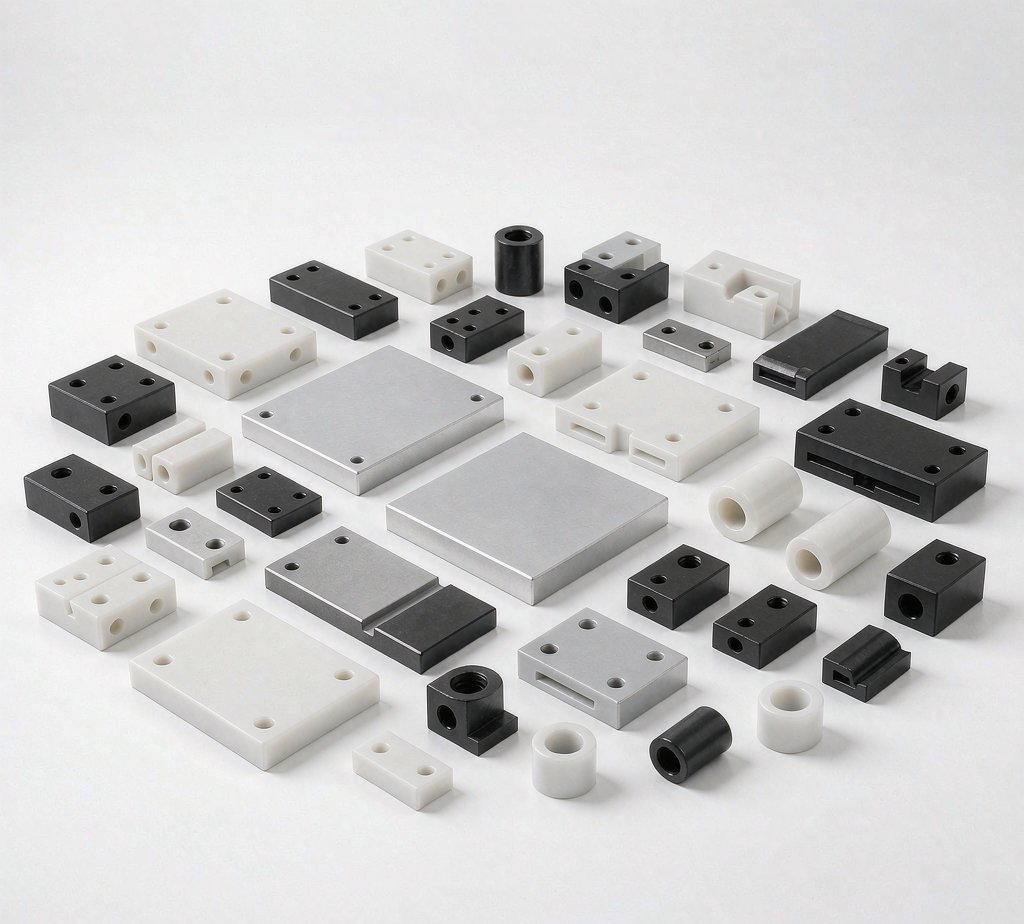
Bar and plate ready for milling and turning.
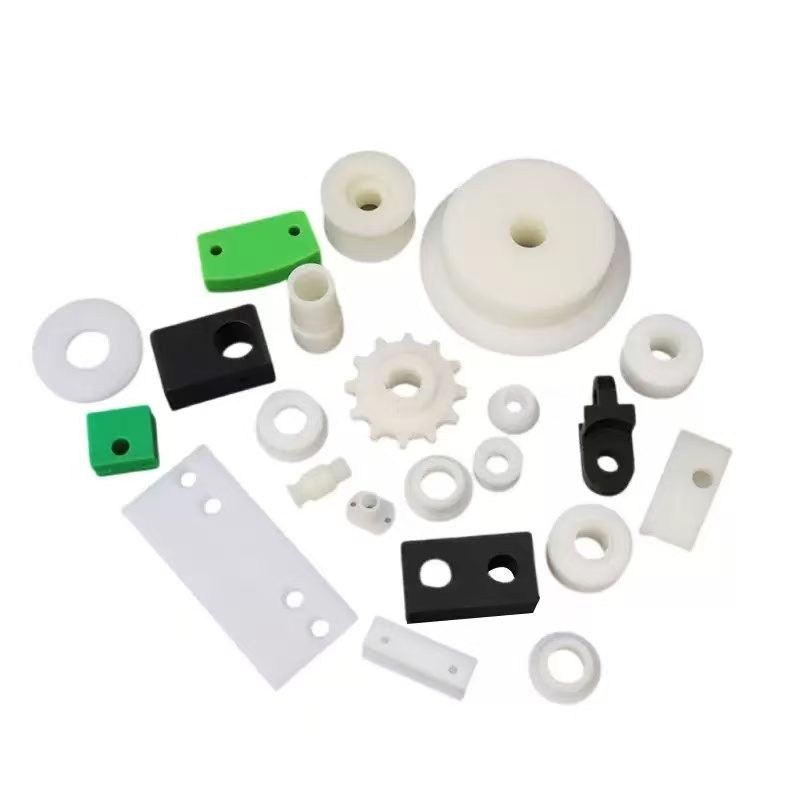
Insulators, seats, housings.
PEEK vs Aluminium — Where Each Wins
You don't pick PEEK to beat aluminium on strength — you pick it for what aluminium can't survive. The trade is the whole decision, so put it side by side before you commit.
| Property | PEEK | Aluminium 6061 |
|---|---|---|
| Density | 1.30 g/cm³ | ~2.70 g/cm³ |
| Continuous temperature | up to ~260°C | up to ~400°C but oxidises / corrodes |
| Tensile strength | 90–100 MPa (unfilled) | 300–600 MPa |
| Chemical resistance | Excellent (acids, solvents, steam) | Limited (acids, saltwater) |
| Electrical | Insulating (dielectric >20 kV/mm) | Conductive |
| Biocompatibility | Yes (medical grades) | No |
| Cost by volume | ~10–20× aluminium | Baseline |
The rule of thumb: choose PEEK when chemical resistance, biocompatibility or sustained heat performance are critical; choose aluminium when mechanical strength, conductivity or cost efficiency lead. The full alloy picture is in the aluminium CNC guide and the grade selection chart.
Tolerances That Actually Hold on PEEK
PEEK's softness and heat sensitivity affect finish and stability more than the basic dimension — so the bands match our metal parts.
| Level | Capability | Basis |
|---|---|---|
| Standard | ±0.05 mm | Per ISO 2768-m |
| Precision | ±0.01 mm on critical features | Per drawing, controlled setup |
| Tighter than ±0.02 mm | Temperature-controlled machining | Avoids heat-drift on precision features |
Because PEEK warms at the cut, very fine features are cut with the machine and part held in a controlled state, and we prove the number on a first-article part before the run. The numeric bands and the tolerance-cost curve are in the CNC tolerance chart. Where PEEK meets metal in an assembly, the stack-up logic is in the stack-up calculator.
What PEEK Really Costs to Machine
Be clear with yourself before you brief it: the polymer is the cost driver, not the cutting. PEEK runs roughly 10–20× aluminium by volume and about 5× a same-size POM or nylon part, so on a large or high-volume part that gap is real money. Geometry, quantity and fill all move it, but the lever to check first is simple — does the part truly need PEEK's temperature, chemical or biocompatibility performance? If a cheaper plastic or a metal meets the spec, the cost question answers itself; you're paying for survival, not for stiffness. When PEEK is the right call, we quote per drawing within 24 hours and flag the tooling plan up front, so there are no surprises on the first article.
Finishing and Inspecting PEEK Parts
Most PEEK parts need no coating — the material is already chemical-resistant and self-coloured (usually natural beige or black), so there's no anodise or plating step to plan, which is one less thing that can break a fit. Where a PEEK part mates with a metal insert or seat, we machine the interface to the same tolerance band and verify it on the CMM; medical and semiconductor work gets the inspection and traceability the program requires. Because PEEK is softer than metal, deburring and handling are planned as real operations, not cleanup afterthoughts. The inspection approach is in our quality overview and the medical device guide.
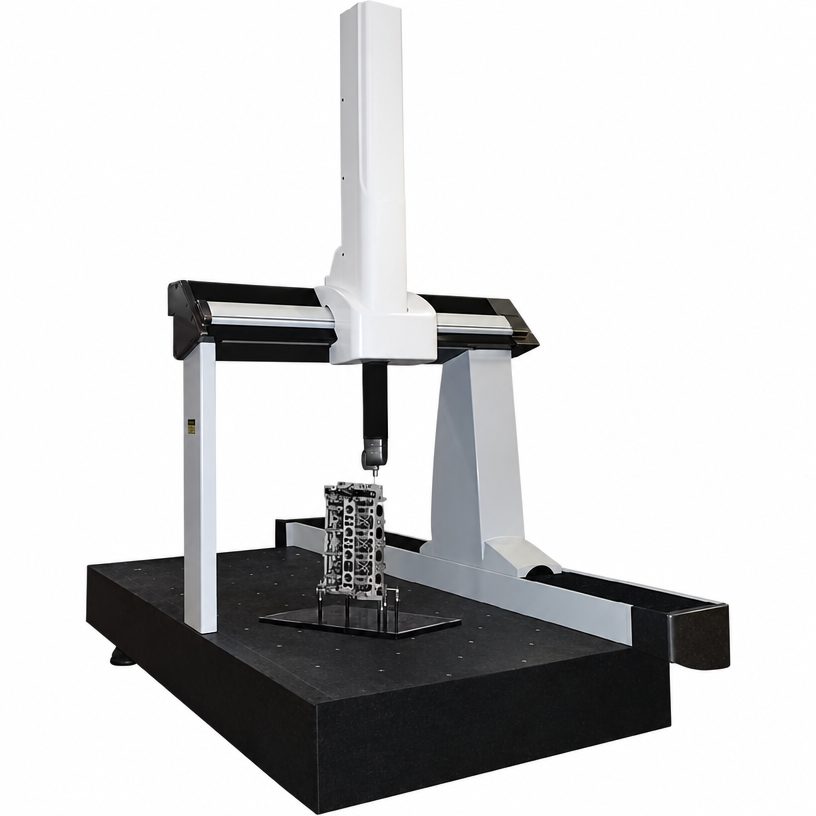
Tight features confirmed before the run.
PEEK CNC Machining — Common Questions
When should I choose PEEK over a metal or a cheaper plastic?
Why is PEEK harder to machine than ordinary plastic?
What tolerances can be held on machined PEEK?
Which PEEK grade should I specify?
How much more does PEEK cost than metal?
Standards and Further Reading
- ASTM D792 — density of plastics.
- ASTM D638 — tensile properties of plastics.
- ASTM D149 — dielectric breakdown voltage.
- ASTM D570 — water absorption.
- ISO 10993 — biological evaluation of medical devices (biocompatibility grades).
- Polyether ether ketone overview — property summary.
The numeric properties above are industry-typical for unfilled PEEK and are stated for material selection only; they are not a substitute for the data sheet of the specific grade and filler you specify. Tolerances and lead times are per our shop capability.
Need a PEEK part that holds tolerance and doesn't warp?
Send the drawing with the grade, filler and the temperature or chemical requirement called out. We'll pick the process, plan the tooling against the heat and smear problem, anneal the stock if the tolerance demands it, and return DFM feedback and a per-drawing quote within 24 hours — so you get a stable PEEK part, not a warped one.
Related: Plastic CNC Machining Guide