CNC Machining Automation Parts: Fixtures, Manifolds & Components
For automation integrators and OEMs, the machined parts are the difference between a line that runs and a line that jams. Here is how fixture plates, manifold blocks, end-effector brackets and the rest are actually cut — the materials, the tolerances that matter, and the DFM calls that keep them in spec. For the wider industry picture, see our CNC machining for automation overview.
Why Automation Parts Are a Machining Problem
An automation cell is only as repeatable as its hard tooling. The fixture plate has to sit flat on the same datum every cycle, the manifold has to hold pressure with no weep, and the end-effector bracket has to be stiff enough that the gripper doesn't drift under load. None of that is a 3D-printing job — it is CNC machined automation parts cut from certified stock to controlled tolerance. The good news: most of these parts are well within standard 3-axis and 5-axis capability, so the real work is in the spec, not the cutting.
If you are weighing processes for a new part, our machining vs 3D printing guide puts the cost and tolerance curves side by side.
What Each Automation Part Is Really Asking For
The same drawing can be cheap or painful depending on which features you call out. Here is what each common part actually needs.
| Part | Why it's tricky | What to spec |
|---|---|---|
| Fixture plates & locating blocks | Flatness and repeatable hole pattern; one bad bore ruins the datum | Al 6061, hardcoat anodize, ISO 2768-f on the pattern |
| Pneumatic / hydraulic manifolds | Sealed cross-drilled passages; a feather edge leaks | 6061 / 7075, pressure test, chamfer every cross-hole |
| End-effector brackets | Stiff at low weight; mount pattern must be true | 7075 or carbon-filled plastic, light anodize |
| Conveyor rails & wear strips | Straightness and a clean sliding face | POM, or anodized aluminium to Ra 0.8 |
| Vision / sensor mounts | Stable, vibration-free datum | 6061, light anodize, clearance holes not threaded |
Materials Quick-Pick
For most automation parts the material choice is settled by what the face has to survive, not by cost. Aluminium 6061-T6 is the default for fixture plates, brackets and frames — easy to machine and dimensionally stable. 7075-T6 steps in where a bracket is load-bearing on a moving axis and weight matters. For a sliding or wearing surface, POM (Delrin) or hardcoat anodize beats bare aluminium. Food, beverage and pharma lines normally want 304 / 316 stainless. The full rundown, including the engineering plastics, is in our materials overview and the plastic machining guide.
| If the part must… | Start with | Watch out for |
|---|---|---|
| Be a stable, cheap fixture | Al 6061-T6 | Soft anodize wears on sliding faces |
| Take load on a moving axis | Al 7075-T6 | More cost, less corrosion resistance |
| Slide or wear without lube | POM / hardcoat alu | POM creeps under clamp load |
| Run in food / pharma | 316 stainless | Slower to machine, work-hardens |
The Tolerances That Actually Matter
Spending tight tolerance everywhere is the classic way to over-pay for an automation part. Spend it only where the line feels it.
| Feature | Hold it to | Why |
|---|---|---|
| Locating pin bore | ±0.01 mm | Repeatable drop-on every cycle |
| Fixture plate flatness | 0.02 mm over 200 mm | Datum sits true on the table |
| Cross-hole breakout | Chamfer / deburr | No feather edge to leak or snag |
| Sliding / bearing face | Ra 0.8 µm | Smooth, low-wear interface |
| Everything else | ISO 2768-m | General tolerance is enough |
For the full numeric tables and the tolerance-cost curve, see the CNC tolerance chart; for finish and GD&T symbols that change price, our buyer's guide covers the ones that actually matter.
Five DFM Calls That Keep Automation Parts in Spec
1. Tight-tolerance only the locating features
The plate around the pin bores does not need ±0.01 mm. Call out ISO 2768-m generally and reserve the tight number for the datum features. You cut the inspection time and the price in one move.
2. Chamfer every cross-hole
Manifolds fail at the intersection of a drilled passage, not in the middle of it. A small chamfer or radius at every breakout removes the feather edge that weeps or throws chips into the line. Specify it and the block passes pressure test first time.
3. Pick the anodize for the face, not the look
Type II anodize is fine for corrosion and appearance. For a locating or sliding surface that sees cycles, Type III hardcoat is the one that survives. Our surface finish comparison lists thickness and salt-spray hours for each coating so you can match the finish to the wear.
4. Use plastic for the wearing part
A guide, a wear pad or a soft jaw does not have to be metal. POM or UHMW takes the wear and protects the aluminium beside it. That is cheaper than hardcoat and quieter on the line. See the plastic guide for grade choice.
5. Send the drawing before the shutdown is booked
The part is usually easy; the bottleneck is the loop. A clean drawing with the datum called out lets us return DFM feedback in 24 hours and run parallel scheduling across the machine pool — which is how a fixture gets to the floor inside a 2–4 week window instead of missing it.
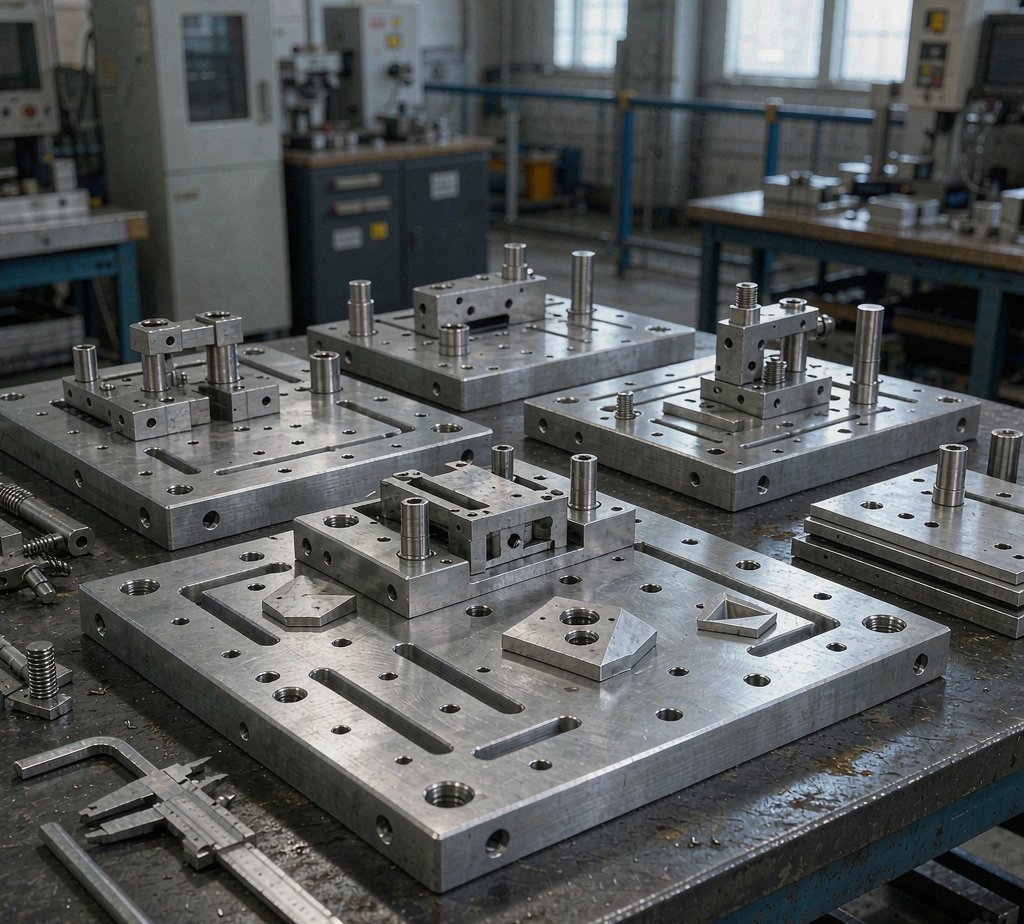
Locating blocks and plate cut to a repeatable datum.
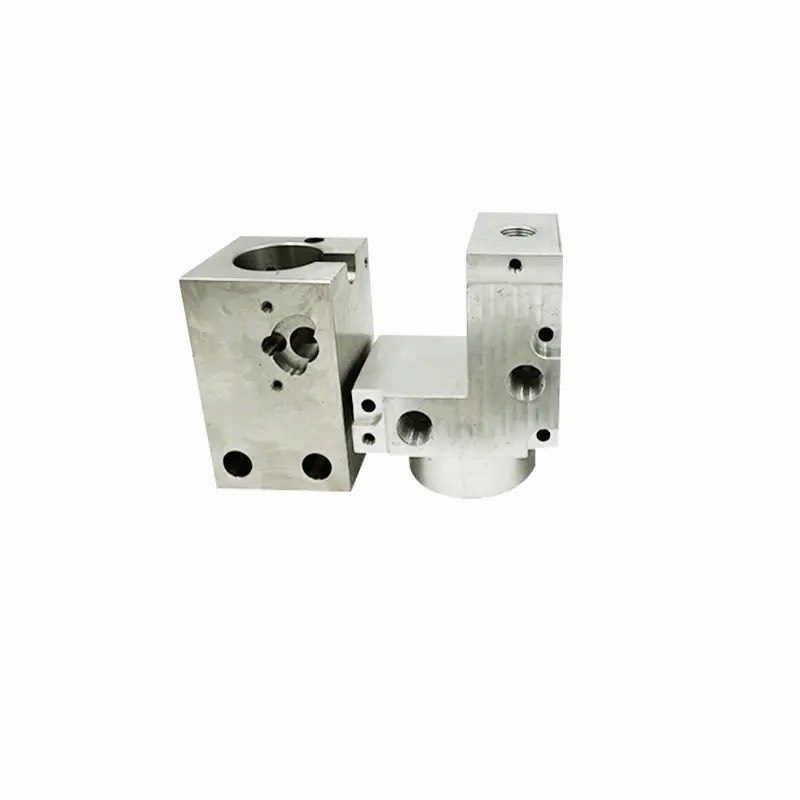
Cross-drilled passages chamfered and pressure-tested.
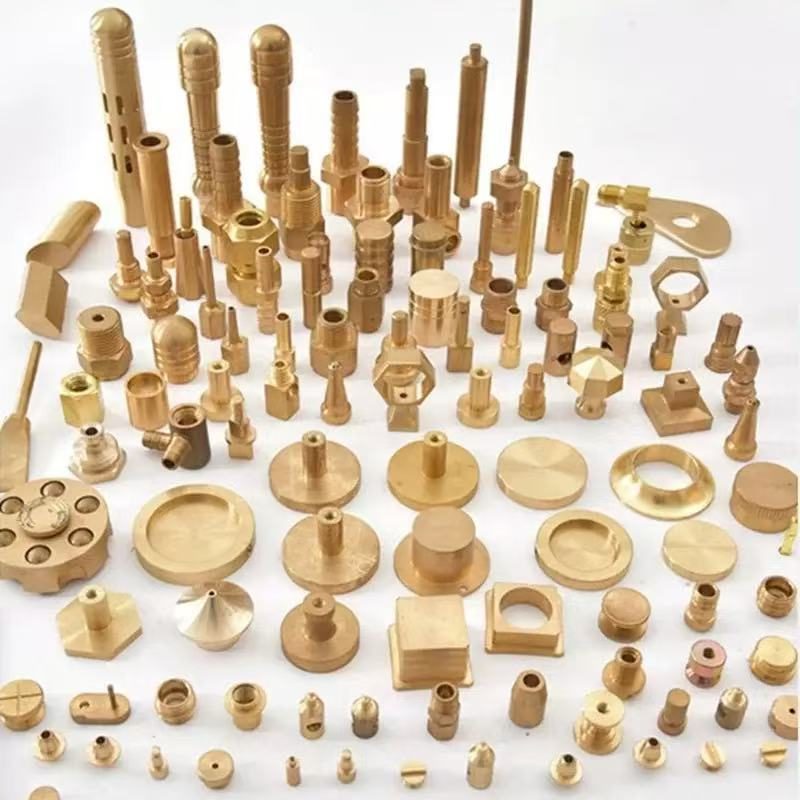
Tight bores and sealed faces for fluid automation.
Automation Parts Questions
Can you machine a manifold block without leaks?
What tolerance do locating pins and bores need?
Which aluminium should a lightweight automation bracket use?
Can a fixture design be changed mid-build?
Got a fixture or manifold the line is waiting on?
Send the drawing with the datum called out. We'll return DFM feedback in 24 hours and quote the part — tight tolerance only where the line actually feels it.
Related industries: CNC Machining for Automotive · CNC Machining for Aerospace